
Does Running Help Lipedema? Why You Should Think Twice About It
For many women, running feels like the obvious answer.
Want to lose weight?
Run.
Want to burn calories?
Run.
Want to get leaner legs?
Run.
Unfortunately, lipedema doesn't always follow the same rules as traditional weight loss.
In fact, many women discover that the harder they push themselves, the worse they sometimes feel afterward.
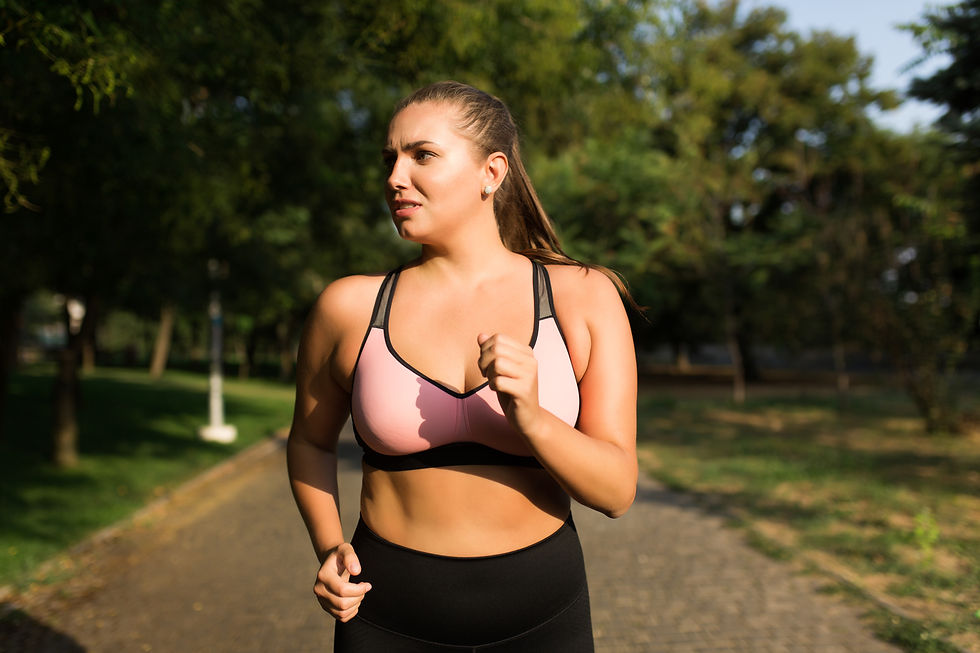
Their legs feel heavier.
Their swelling increases.
Their tenderness becomes more noticeable.
Their exhaustion lingers for hours—or even days.
That's why so many women eventually begin asking a different question:
Does running help lipedema?
The answer may surprise you.
While running certainly offers cardiovascular benefits, it is often not the ideal form of exercise for women living with lipedema.
In many cases, it may actually create challenges that work against some of the goals women are trying to achieve.
Let's look at why.
Why Lipedema Changes The Exercise Conversation
Most exercise recommendations are built around ordinary fat tissue.
Lipedema is different.
Lipedema tissue behaves differently, responds differently, and often creates symptoms that extend beyond body weight alone.
Women frequently experience:
Heaviness
Swelling
Tenderness
Easy bruising
Fatigue
Mobility limitations
Because of this, the best exercise for lipedema isn't necessarily the exercise that burns the most calories.
The best exercise is often the one your body can recover from consistently.
This distinction matters.
Many women spend years forcing themselves through workouts that leave them feeling depleted instead of energized.
The First Problem: Running Creates Significant Heat
One of the most overlooked aspects of running is heat production.
Running dramatically increases body temperature.

For women with lipedema, this can become problematic.
Heat is already a common trigger for symptom flare-ups.
Many women notice worsening symptoms during:
Summer weather
Hot showers
Hot tubs
Saunas
Prolonged heat exposure
Running combines exercise stress with significant heat production.
This may contribute to increased swelling, heaviness, and discomfort in susceptible individuals.
Research has consistently shown that inflammation and vascular dysfunction play important roles in lipedema. According to this scientific review of lipedema pathophysiology, inflammatory processes and tissue changes appear to contribute significantly to symptom development.
Adding excessive heat to an already sensitive system may not always be beneficial.
The Second Problem: Running Can Increase Systemic Stress
Most people think exercise automatically reduces inflammation.
The reality is more nuanced.

Moderate exercise often supports healthy inflammatory balance.
Excessive exercise can temporarily increase inflammatory stress.
Running—especially longer-distance running—places significant demands on the body.
The muscles work harder.
The cardiovascular system works harder.
The body temperature rises.
Recovery demands increase.
For women with lipedema, the goal should not simply be "burn more calories."
The goal should be supporting the body without creating excessive physiological stress.
This is where many women struggle.
They push harder because they think more exercise equals better results.
Unfortunately, more isn't always better.
Why Some Women Feel Worse After Running
If you've ever finished a run and felt like your legs were heavier afterward, you're not imagining it.
Several factors may contribute:
Increased tissue stress
Heat exposure
Temporary inflammation
Fluid shifts
Muscle fatigue
This is one reason discussions around running with lipedema are often divided.
Some women tolerate it well.
Others feel significantly worse.
The difference usually comes down to symptom response.
Your body ultimately gets the final vote.
The Impact Factor Most Women Ignore
Running is a high-impact activity.
Every step creates force through:
Feet
Ankles
Knees
Hips
Connective tissue
Women with lipedema often have tissue sensitivity that makes high-impact exercise less comfortable.
That doesn't mean running is dangerous.
It simply means there may be better options.
Lower-impact activities often allow women to exercise longer and recover better.
When recovery improves, consistency improves.
And consistency almost always beats intensity.
Is Running Good for Lipedema Compared To Other Exercises?
When comparing exercise options, running often loses to several alternatives.

Walking.
Swimming.
Cycling.
Elliptical training.
Strength training.
Water exercise.
These activities frequently provide many of the same cardiovascular benefits with less impact and less heat generation.
This doesn't mean nobody with lipedema should ever run.
It means women should honestly evaluate how their body responds.
The question isn't simply is running good for lipedema.
The better question is:
"Does running leave me feeling better or worse afterward?"
That answer is often more useful than any article.
What Research Suggests About Exercise And Lipedema
Exercise remains extremely important for women with lipedema.
The goal is choosing the right type.
According to this review of exercise interventions and inflammation, moderate physical activity can support metabolic health, circulation, and inflammatory regulation.
However, exercise intensity and recovery matter.
The best program is rarely the most punishing one.
Research increasingly supports sustainable movement patterns rather than extreme exercise approaches.
For lipedema, this distinction is critical.
Consistency often produces better outcomes than intensity.
Why Walking Often Beats Running
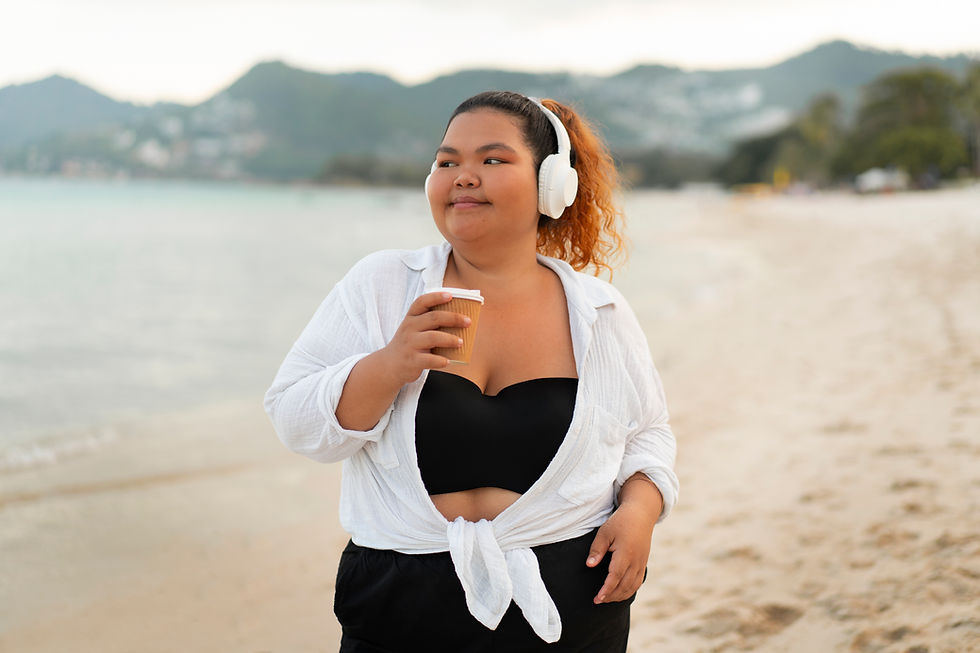
This may not sound exciting.
But walking is one of the most underrated tools available.
Walking provides:
Movement without excessive impact
Lower heat generation
Easier recovery
Better sustainability
Reduced injury risk
Many women who struggle with running with lipedema discover they feel dramatically better when they switch to brisk walking instead.
The calories burned may be lower.
The long-term adherence is often much higher.
And adherence is what creates results.
Strength Training May Be The Better Investment
If the goal is improving body composition, strength training is often a smarter choice.
Many women assume cardio is the answer.

Strength training provides benefits that cardio cannot.
It helps:
Preserve muscle
Improve metabolism
Increase strength
Support mobility
Improve daily function
Unlike running, strength training typically produces less sustained heat exposure and less repetitive impact.
This is one reason Lipera often emphasizes a balanced approach to exercise rather than simply encouraging women to burn as many calories as possible.
You can learn more through the Lipera website.
Nutrition Matters More Than Most People Realize
Many women attempt to outrun a poor diet.
That strategy rarely works.
Inflammation is influenced by:
Food quality
Sleep
Stress
Activity
Recovery
Exercise alone cannot compensate for everything else.
As discussed in this lipedema nutrition guide, an anti-inflammatory eating approach may play a major role in symptom management.
Nutrition and exercise should work together.
Not compete against each other.
What About Toning The Legs?
One reason women run is because they want leaner, stronger-looking legs.
Ironically, strength training is often more effective for this goal.
Targeted resistance exercise helps develop muscle shape while supporting overall function.
According to this guide to toning legs with lipedema, structured resistance training frequently produces more noticeable improvements than endless hours of cardio.
This is particularly important because many women mistakenly believe they need more running when they actually need more strength work.
So Does Running Help Lipedema?
For some women, it may.
For many others, probably not.
The answer depends entirely on how your body responds.
If running consistently leaves you:
Overheated
Exhausted
Swollen
More tender
Harder to recover
it may not be the best tool available.
There are often lower-impact options that deliver similar benefits with fewer drawbacks.
The question does running help lipedema should never be answered based on calorie burn alone.
Recovery matters.
Inflammation matters.
Heat matters.
Symptom control matters.
Final Thoughts
Running may offer cardiovascular benefits, but it also creates heat, impact, and physiological stress that can aggravate symptoms for some women.
Because inflammation and tissue sensitivity already play major roles in lipedema, pushing harder isn't always the smartest strategy.
For many women, walking, swimming, cycling, and strength training provide a more sustainable path forward.
The best exercise is not necessarily the hardest one—it's the one that helps you feel stronger, healthier, and more capable without worsening the symptoms you're trying to manage.