
Shockwave Therapy for Lipedema: Does the Research Actually Support It?
Women living with lipedema are constantly searching for treatments that can reduce pain, swelling, and tissue changes without making symptoms worse.
One therapy receiving increasing attention is extracorporeal shockwave therapy (ESWT), more commonly known as shockwave therapy.
At first glance, the treatment sounds intimidating.
After all, if inflammation contributes to lipedema, wouldn't creating mechanical stress in the tissue make things worse?
The answer is more complicated than a simple yes or no.

Understanding Shockwave Therapy for Lipedema
Shockwave therapy delivers controlled acoustic waves into soft tissue.
Unlike surgery or injections, the treatment is non-invasive.
The goal is not to damage tissue but to stimulate biological responses involved in healing, circulation, tissue remodeling, and repair.
Researchers have studied shockwave therapy for years in orthopedic conditions such as plantar fasciitis, tendon injuries, and chronic musculoskeletal pain because of its ability to influence tissue healing.
A comprehensive review of shockwave therapy explains many of the biological mechanisms behind these effects.
Why People Think It Might Help Lipedema
Lipedema involves much more than excess fat.
Research suggests the disease includes abnormalities involving connective tissue, microcirculation, lymphatic function, inflammation, and fibrosis.
Because shockwave therapy has been shown to influence several of these biological systems in other conditions, researchers have begun asking whether it could also benefit women with lipedema.
The theory is that improving circulation, reducing fibrosis, and encouraging healthier tissue remodeling may improve symptoms in some patients.
That possibility has generated growing research interest.
Doesn't Shockwave Cause Inflammation?

This is where many people become confused.
Yes, shockwave therapy creates a controlled biological response within the treated tissue.
However, that is very different from the chronic, ongoing inflammation associated with disease.
Think about strength training.
Lifting weights creates tiny amounts of controlled muscle damage that ultimately lead to stronger muscles during recovery.
Shockwave therapy works on a similar principle.
The temporary biological response is intended to stimulate repair—not create long-term harmful inflammation.
That distinction is important because controlled healing responses are very different from chronic inflammatory disease.
What Does the Research Say?
At this point, the evidence is encouraging but still limited.
Several studies suggest shockwave therapy may improve pain, tissue quality, fibrosis, and quality of life in some women living with lipedema.
Researchers believe these improvements may occur through effects on circulation, connective tissue remodeling, and inflammatory signaling.
A published clinical research review discusses the growing interest in shockwave therapy as part of conservative lipedema management.
However, larger, high-quality clinical trials are still needed.
That means shockwave therapy should currently be viewed as a promising option rather than a proven standard treatment.
Consulting with your own doctor never hurts either, and is highly recommended.

Could Shockwave Make Lipedema Worse?
Current evidence does not suggest that properly administered shockwave therapy worsens lipedema.
Some women may experience temporary soreness after treatment, which is common with many physical therapies.
That temporary discomfort should not automatically be interpreted as disease progression.
As with any treatment, results vary.
Some women report noticeable improvements while others experience little change.
Factors such as disease stage, treatment protocol, provider experience, and individual biology likely all influence outcomes.
Where Shockwave Fits Into Conservative Treatment
One important point is that shockwave therapy should never be viewed as a standalone solution.
Lipedema is a complex disease involving multiple biological systems.
Most specialists recommend combining several conservative approaches, including:
Healthy nutrition
Regular physical activity
Compression when appropriate
Weight management
Lymphatic support
Physician-guided treatment
Shockwave therapy, if used, is best viewed as one possible tool within that larger strategy rather than a replacement for daily management.
Why Daily Support Still Matters
Even if shockwave therapy proves helpful, treatments performed once every few weeks cannot replace the importance of daily habits.
Women living with lipedema spend the other 99% of their time eating, moving, sleeping, recovering, and managing inflammation through lifestyle choices.
That is why long-term conservative management remains the foundation of care.
If you're looking for the next best option, many women also choose a daily nutritional support supplement designed specifically for lipedema.
Lipera is the only supplement designed specifically for women struggling with lipedema.
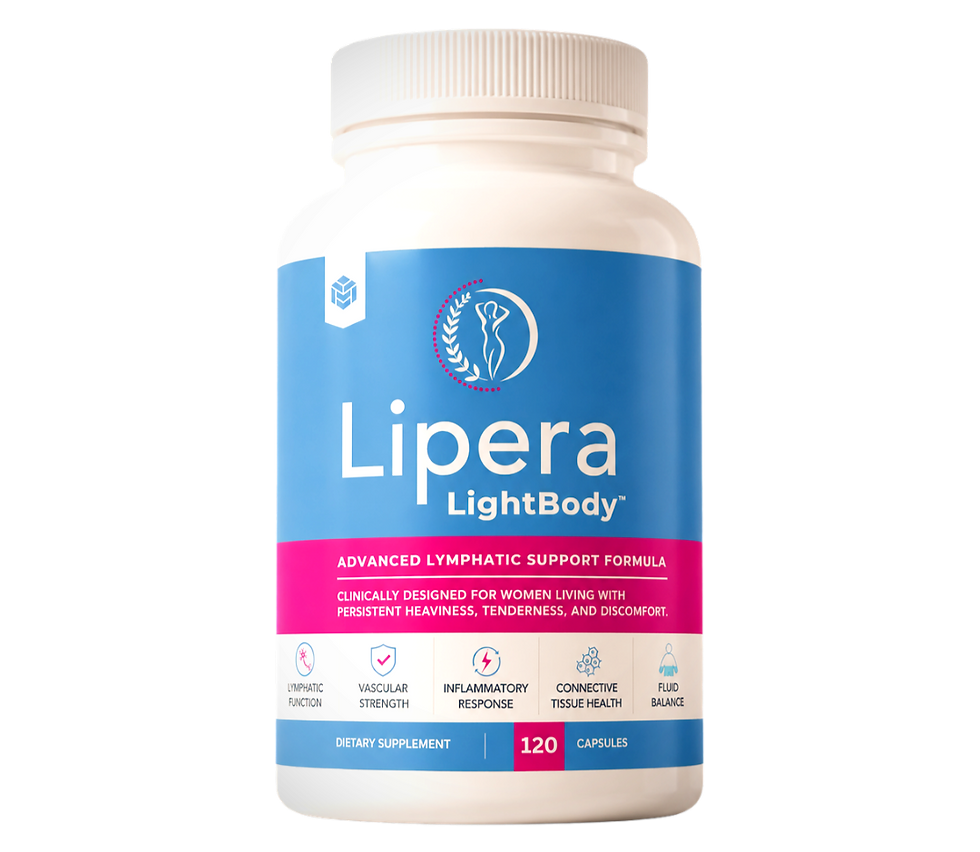
Lipera combines ingredients including diosmin, hesperidin, rutin, butcher's broom, curcumin, quercetin, bromelain, resveratrol, CoQ10, vitamin C, magnesium, selenium, and additional botanicals selected to support circulation, vascular health, lymphatic function, and inflammatory balance.

Unlike occasional procedures, daily nutritional support becomes part of a consistent long-term routine.
You can learn more about the complete formula on the official Lipera website.
Is Shockwave Therapy Worth Trying?
For some women, it may be.
The current evidence suggests shockwave therapy has biological mechanisms that make scientific sense for lipedema and early studies are encouraging.
At the same time, it should not be viewed as a miracle treatment or a replacement for comprehensive conservative care.
The best approach is usually the one that combines multiple evidence-informed strategies working together over time.
Shockwave therapy may eventually become an important part of that picture as additional research emerges.
Until then, women should view it as a promising option worth discussing with a healthcare professional who has experience treating lipedema rather than expecting it to solve every symptom on its own.