
Swimming for Lipedema: Why There's No Better Exercise
Finding an exercise that actually feels good with lipedema can be incredibly frustrating.
Many women start jogging, running, or intense cardio programs only to discover that their legs become more swollen, painful, and exhausted afterward.
Swimming is different.

Throughout this article, I'll refer to this approach as swimming for lipedema because it truly combines several unique benefits that are difficult to find in any other form of exercise.
Why Swimming for Lipedema Is So Effective
If you could design the perfect exercise specifically for women with lipedema, it would probably look remarkably similar to swimming.
Why?
Because swimming solves several problems at the same time.
Unlike land-based exercise, your body remains mostly horizontal while moving through the water.
This greatly reduces the effect of gravity pulling fluid toward your feet and ankles.
Instead of fluid constantly pooling in the lower legs—as commonly happens after long walks, jogging, running, or even cycling—the water provides continuous support around your body while you exercise.
A recent exercise therapy review highlights aquatic exercise as one of the most beneficial forms of movement for people living with lipedema because it combines cardiovascular exercise with low joint stress and improved lymphatic support.
Water Acts Like Gentle Compression
One of the biggest advantages of swimming is hydrostatic pressure.
As soon as your body enters the water, the surrounding water naturally applies gentle pressure to your tissues.

This acts similarly to compression by helping encourage movement of blood and lymphatic fluid back toward the center of the body.
On land, gravity constantly encourages fluid to settle into the legs.
In the water, the opposite begins to happen.
Many women actually notice their legs feel lighter after leaving the pool than they did before getting in.
That is one reason aquatic therapy is frequently recommended for both lipedema and lymphedema.
Swimming Helps Reduce Fluid Accumulation and Lymphatic Circulation

One major challenge with land-based exercise is what happens after 30, 60, or 90 minutes.
Even though walking, jogging, or cycling are healthy activities, gravity never stops pulling fluid downward.
For women with lipedema, that often means increasing heaviness around the calves, ankles, and feet as exercise continues.
Swimming changes that equation.
Because your body remains almost horizontal, there is far less opportunity for fluid to accumulate in the lowest parts of the legs.
You still receive an excellent cardiovascular workout, but without constantly fighting gravity.
That combination is extremely difficult to replicate with any other exercise.
Cooler Body Temperature Means Less Inflammation
Another enormous advantage is temperature.
Many women with lipedema notice their symptoms become worse during hot weather.
Heat causes blood vessels to dilate, which may contribute to greater swelling and feelings of heaviness.
Swimming naturally keeps the body cool.
Instead of overheating during exercise, the surrounding water continuously removes heat from the body.
This allows many women to exercise longer while remaining more comfortable.
Even better, cooler temperatures themselves may help reduce inflammatory stress.
Research into whole-body cryotherapy has demonstrated anti-inflammatory and recovery benefits in certain conditions, helping explain why many women report feeling better when exposed to cooler temperatures.
Ice baths are ideal for lipedema, if they fit your daily schedule.

While swimming is obviously different from cryotherapy, both share one important feature—they help prevent excessive heat buildup.
It Protects Your Joints
Joint pain is another reason many women stop exercising.

Running places repetitive impact through the ankles, knees, hips, and lower back thousands of times during a workout.
Swimming removes almost all of that impact.
The buoyancy of water supports your body weight, allowing muscles to work hard while dramatically reducing stress on painful joints.
This is especially important as lipedema progresses or if additional weight increases pressure on the knees.
Instead of avoiding exercise because movement hurts, swimming often allows women to train comfortably for much longer.
Swimming Builds Strength Without Excessive Stress
Swimming is not just cardio.
Every stroke requires your arms, shoulders, back, core, hips, and legs to work together against the resistance of water.
Unlike lifting heavy weights or high-impact exercise, water provides smooth resistance throughout every movement.
That means you strengthen muscles while placing much less strain on connective tissue.
Maintaining muscle mass is also beneficial because healthy muscle contractions help support circulation and lymphatic movement throughout the body.
A recent exercise recommendations review reinforces the importance of regular physical activity as part of comprehensive lipedema management.
Is Swimming Better Than Walking?

Walking is excellent.
Cycling is excellent.
Strength training is excellent.
But if someone asked me to choose just one exercise specifically for lipedema, swimming would probably be the winner.
It combines:
Low joint impact
Natural compression
Excellent cardiovascular training
Full-body muscle activation
Less fluid pooling
Cooler body temperature
Better comfort during longer workouts
Very few exercises offer all of those benefits simultaneously.
That is why many specialists recommend aquatic exercise as one of the first activities women should consider.
Is Swimming Good for Lipedema?
The answer to is swimming good for lipedema is an overwhelming yes.
No exercise removes lipedema fat.
No exercise cures the disease.
But swimming checks nearly every box that conservative treatment looks for.
It encourages movement without excessive impact.
It supports circulation.
It promotes lymphatic flow.
It keeps inflammation lower by preventing overheating.
And perhaps most importantly, it is an exercise many women actually enjoy enough to continue doing consistently.
Consistency matters much more than perfection.
Offensive Therapy Beats Defensive Therapy
Exercise is only one piece of the puzzle.
Many women spend years focusing only on avoiding foods, avoiding standing too long, or avoiding activities that trigger swelling.
That is defensive therapy.
Offensive therapy means actively supporting your body every day.
Swimming is one of the best offensive therapies because it works with your lymphatic and circulatory systems instead of against them.
The same philosophy applies to nutritional support.
Rather than simply waiting for symptoms to appear, many women choose supplements designed to support circulation, lymphatic health, oxidative stress, and inflammation on a daily basis.
Our guide reviewing the top swelling supplements explains why multi-ingredient formulas often provide broader support than relying on a single ingredient.
Why Lipera Complements Swimming
The best exercise deserves the best nutritional support.
Swimming provides mechanical benefits that no supplement can replace.
But nutrition and supplementation help support the biological systems working behind the scenes.
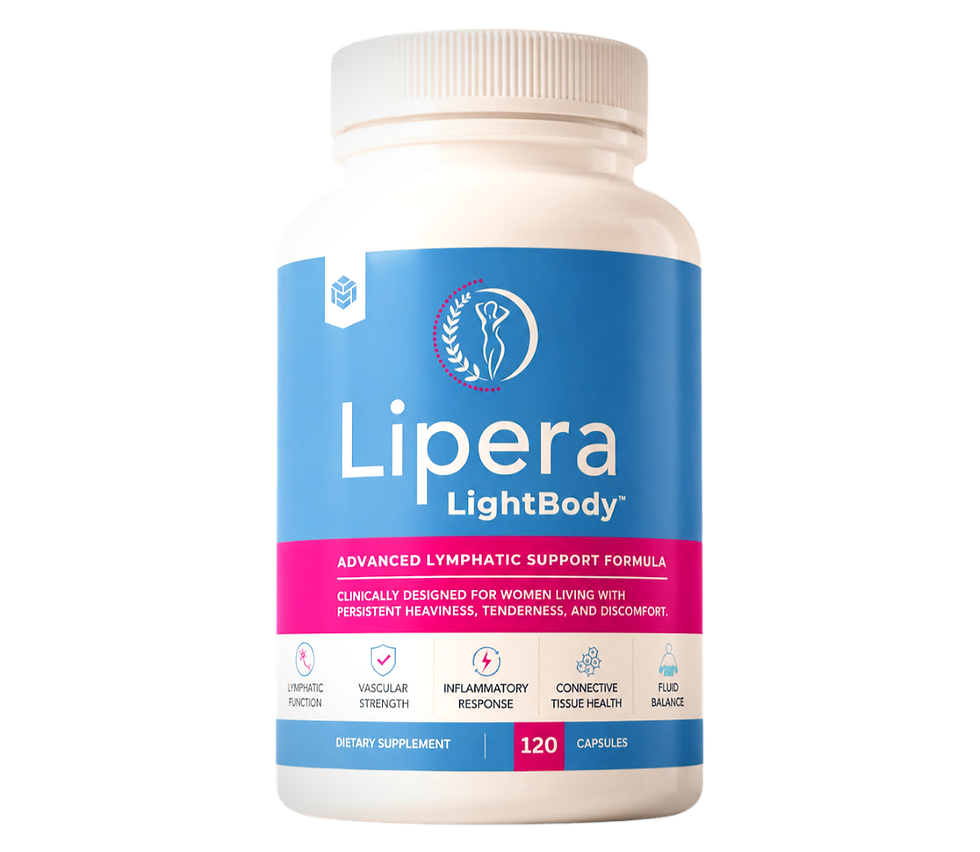
Lipera combines ingredients including diosmin, hesperidin, rutin, butcher's broom, curcumin, quercetin, bromelain, resveratrol, CoQ10, vitamin C, magnesium, selenium, and additional botanicals selected to support circulation, lymphatic function, inflammation, and vascular health.
Instead of replacing healthy habits, Lipera is designed to complement them.
You can learn more about the complete formula on the official Lipera website.
If your goal is long-term conservative management, combining excellent movement with excellent nutritional support usually makes far more sense than relying on either one alone.
Our article explaining how to tone legs also discusses realistic expectations for improving strength and appearance without chasing unrealistic promises.
Final Thoughts on Swimming
If there were one exercise designed specifically for women living with lipedema, it would be difficult to improve upon swimming.
It allows you to work hard without overheating, keeps the body cool, minimizes fluid accumulation in the legs, protects the joints, supports circulation, and naturally assists lymphatic movement—all while providing an excellent full-body workout.
For women looking to build a long-term routine they can actually stick with, swimming remains one of the smartest choices available.
When combined with healthy nutrition, daily movement, and consistent conservative support, it becomes an incredibly powerful part of managing lipedema over time.