
The Top 10 Lipedema Inflammation Triggers: What to Avoid at All Costs
Some days your legs feel relatively manageable.
Other days they suddenly feel heavier, tighter, more swollen, and far more painful without an obvious explanation.

That is rarely a coincidence.
Many women with lipedema discover that certain habits, foods, environmental conditions, and lifestyle factors consistently make their symptoms worse.
Understanding those patterns is one of the most effective ways to regain control over your daily quality of life.
Understanding Lipedema Inflammation Triggers
Lipedema is increasingly recognized as far more than abnormal fat accumulation.
Researchers now understand that inflammation, microvascular dysfunction, connective tissue remodeling, immune activity, and lymphatic impairment all appear to play important roles in the disease.
When inflammation increases, many women notice worsening tenderness, swelling, heaviness, fatigue, and pain.
A recent lipedema inflammation review discusses many of the inflammatory and vascular processes believed to contribute to lipedema progression.
Although every woman has different triggers, several appear repeatedly in both research and patient experience.
1. Chronic Weight Gain
Lipedema is not caused by obesity.

However, carrying excess body weight can increase inflammatory signaling throughout the body while placing additional mechanical stress on already vulnerable tissues.
For women with lipedema, maintaining a healthy weight often means managing symptoms rather than trying to cure the disease.
Even modest weight gain may increase heaviness, swelling, and discomfort.
This is why long-term weight stability is often encouraged as part of conservative lipedema management.
2. Highly Processed Foods
Ultra-processed foods frequently contain refined carbohydrates, added sugars, unhealthy fats, and excessive sodium.

While no single food causes lipedema, diets built around heavily processed foods may increase systemic inflammation while making fluid retention worse.
Many women report feeling significantly better after replacing packaged foods with vegetables, lean proteins, healthy fats, fruit, legumes, and minimally processed carbohydrates.
Small daily improvements often produce much larger long-term results than temporary restrictive diets.
3. Excess Sugar
Large blood sugar swings can promote inflammatory activity while encouraging additional fat storage.

Although sugar itself is not responsible for lipedema, regularly consuming high amounts of sweets, sugary drinks, desserts, and refined carbohydrates may worsen overall inflammation.
Reducing added sugar is one of the simplest lifestyle changes many women can make.
The goal is not perfection.
It is consistency.
4. Long Periods of Standing
Standing for hours at concerts, airports, amusement parks, or work can dramatically increase symptoms.
Gravity naturally encourages fluid accumulation in the lower extremities.
When lymphatic drainage is already under stress, prolonged standing often results in increased swelling, heaviness, aching, and tenderness.
Taking short walking breaks, elevating your legs when possible, and wearing compression if recommended by your healthcare provider may help reduce these flare-ups.
5. Heat and Hot Weather
Many women immediately notice worsening symptoms during the summer.
Heat naturally dilates blood vessels, increasing blood flow into already vulnerable tissues.

For women with lipedema, this may contribute to greater swelling, discomfort, and feelings of heaviness.
Simple strategies like staying hydrated, wearing breathable clothing, seeking shade, and avoiding prolonged heat exposure may reduce symptom severity.
6. Poor Sleep
Sleep is when much of the body's repair and recovery occurs.
Consistently poor sleep has been associated with increased inflammatory signaling, impaired metabolic function, higher stress hormones, and worse overall recovery.
For women living with lipedema, improving sleep quality may help reduce one more source of unnecessary inflammation.
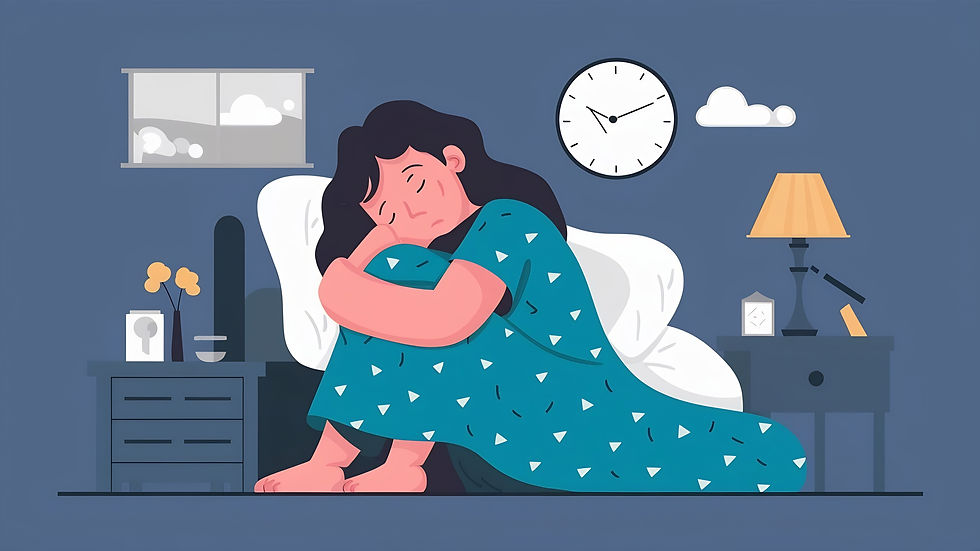
Even gaining one additional hour of quality sleep each night can make a meaningful difference for many people.
7. Chronic Psychological Stress
Stress affects far more than mental health.
Long-term elevation of stress hormones influences immune activity, inflammation, appetite regulation, recovery, and sleep quality.
While eliminating stress completely is impossible, reducing chronic stress through exercise, meditation, hobbies, time outdoors, or counseling may indirectly improve symptom management.
Many women notice their flare-ups become more frequent during particularly stressful periods of life.
8. Physical Overexertion
Exercise is important.
Overdoing it is different.
Very long hikes, excessive high-impact workouts, repeated jumping, or several consecutive days of heavy physical activity may leave some women feeling significantly worse afterward.

The goal is regular movement without overwhelming already sensitive tissues.
Walking, swimming, cycling, strength training, and other low-impact activities often provide a better balance than constantly pushing through pain.
Our article discussing massage gun safety also explains why aggressive treatment is not always better when tissues are already inflamed.
9. Smoking
Smoking contributes to vascular dysfunction, oxidative stress, inflammation, and impaired circulation throughout the body.
Because lipedema already affects many of these same biological systems, smoking may place even greater stress on compromised tissues.
Quitting smoking benefits nearly every aspect of health and remains one of the most impactful lifestyle changes someone can make.
10. Ignoring Daily Conservative Care
Sometimes the biggest trigger is not what you are doing.
It is what you are not doing consistently.
Lipedema is a chronic condition that generally responds better to long-term habits than occasional intense efforts.
Skipping movement for weeks, abandoning healthy nutrition, forgetting compression, or neglecting daily self-care often allows symptoms to gradually worsen over time.
Consistency usually matters more than perfection.
Defensive Therapy vs. Offensive Therapy
Avoiding inflammation triggers is defensive therapy.
It reduces the number of things working against your body.
But many women stop there.
The most successful long-term approach combines defensive therapy with offensive therapy.
Defensive therapy means avoiding unnecessary inflammation whenever possible.
Offensive therapy means actively supporting the biological systems affected by lipedema every single day.
That may include:
Following an anti-inflammatory eating pattern
Maintaining a healthy body weight
Regular low-impact exercise
Compression therapy when appropriate
Manual lymphatic drainage if recommended
Proper hydration
Good sleep habits
Stress management
Daily nutritional support
Think of it this way.
Avoiding fast food helps.
But actively eating nutrient-dense foods helps even more.

Avoiding prolonged standing helps.
But combining that with movement, compression, and lymphatic support creates a much stronger overall strategy.
Why Nutrition Plays Such a Large Role
Food influences inflammation every single day.
Although no diet cures lipedema, dietary choices can significantly affect energy levels, swelling, fluid retention, blood sugar stability, and overall inflammatory burden.
Many women benefit from emphasizing:
Lean protein
Vegetables
Healthy fats
High-fiber foods
Fruits in moderation
Minimally processed carbohydrates
Our complete guide to the perfect lipedema diet provides a practical framework for building sustainable eating habits without unnecessary restrictions.
The best diet is ultimately the one you can follow consistently for years rather than weeks.
Supporting Inflammation From Multiple Angles
Because lipedema affects multiple biological systems, many clinicians and patients prefer supporting several pathways rather than relying on one ingredient alone.
This is one reason comprehensive formulations have become increasingly popular.
Lipera combines ingredients selected to support circulation, lymphatic health, vascular integrity, oxidative stress, and inflammatory balance, including diosmin, hesperidin, rutin, quercetin, curcumin, bromelain, butcher's broom, resveratrol, CoQ10, vitamin C, magnesium, selenium, and additional botanical extracts.
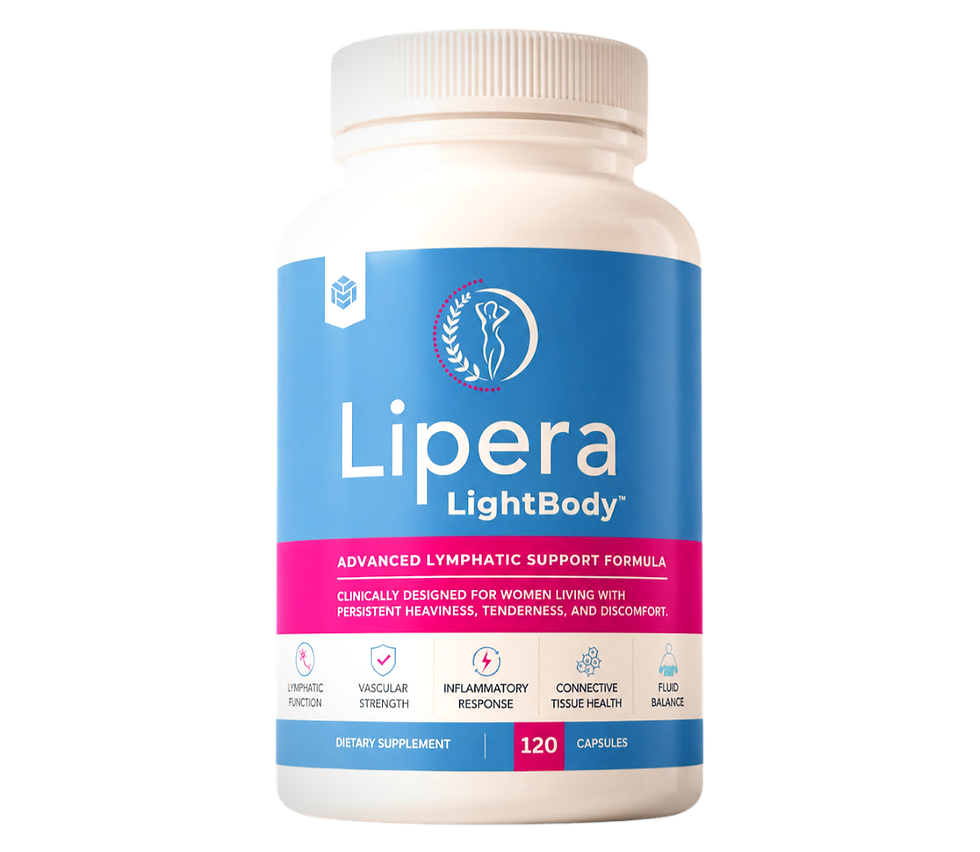
Instead of targeting one pathway, the goal is to provide nutritional support across several systems involved in conservative lipedema care.
Our review covering the best lipedema supplements explains why combining multiple evidence-supported ingredients may offer a more comprehensive approach than relying on a single compound.
You can also learn more about Lipera's complete formulation on the official Lipera website.
What the Latest Research Is Showing
Scientists continue learning more about why inflammation appears to play such an important role in lipedema.
Recent publications describe interactions between immune cells, inflammatory mediators, connective tissue remodeling, vascular dysfunction, oxidative stress, and lymphatic impairment rather than identifying one single cause.
A recent scientific publication further highlights the growing understanding of inflammation as an important component of lipedema biology.
This expanding research helps explain why symptom management often requires multiple complementary strategies working together instead of searching for one miracle solution.
The encouraging news is that many inflammation triggers are within your control.
Reducing them consistently while actively supporting your body through nutrition, movement, compression when appropriate, and daily conservative care can help many women feel more comfortable over the long term.
No single habit changes everything.
But dozens of small decisions repeated every day often produce meaningful improvements over time.