
Acupuncture and Lipedema: What You Need to Know Beforehand
Living with lipedema often means searching for relief beyond conventional advice.
When pain, swelling, and heaviness don’t respond to diet or exercise, many people begin exploring complementary therapies.
One question that comes up frequently is whether acupuncture can play a meaningful role in managing symptoms.

Understanding how acupuncture interacts with the lymphatic, nervous, and inflammatory systems helps clarify where it fits—and where it doesn’t—in a comprehensive lipedema care plan.
Why People With Lipedema Look to Acupuncture
Lipedema is a chronic, progressive condition involving abnormal fat deposition, inflammation, microvascular dysfunction, and impaired lymphatic flow.
Because symptoms extend beyond simple fat accumulation, approaches that target circulation, fluid movement, and pain signaling naturally draw interest.
Acupuncture has a long history of use in conditions involving chronic pain, edema, and impaired circulation.
Modern research has begun exploring how needle stimulation affects lymphatic activity, immune modulation, and autonomic nervous system balance, which are all relevant to lipedema.
How Acupuncture Interacts With the Lymphatic System
One of the most compelling reasons acupuncture is considered for lipedema is its potential influence on lymphatic flow.
Gentle needle stimulation can activate local tissue responses, increase microcirculation, and influence fluid dynamics.
Educational reviews discussing lymphatic responses to acupuncture describe how targeted points may encourage lymphatic drainage and reduce localized fluid congestion, as explained in lymphatic stimulation mechanisms examining acupuncture’s effects on lymph flow and edema.
For people with lipedema, reduced lymphatic efficiency contributes to daily swelling, pressure, and heaviness, making this mechanism particularly relevant.
Pain Modulation and Inflammation Reduction
Pain is one of the most distressing and misunderstood symptoms of lipedema.
Unlike typical adipose tissue, lipedema fat is often tender and painful to the touch, reflecting underlying nerve sensitization and inflammatory signaling.
Acupuncture has been shown to influence pain pathways through endorphin release, neurotransmitter modulation, and reduced inflammatory mediators.
Research examining neuroimmune effects demonstrates that acupuncture can downregulate pro-inflammatory cytokines and alter pain perception, as outlined in neuroimmune modulation research exploring acupuncture’s effects on inflammation and neural signaling.
This helps explain why some people report short-term pain relief following sessions.
What Acupuncture Can and Cannot Do for Lipedema
It’s important to set realistic expectations. Acupuncture does not remove lipedema fat, reverse structural tissue changes, or cure the condition.
Lipedema fat is biologically protected and behaves differently from standard adipose tissue.
However, acupuncture may help:
Reduce pain sensitivity
Improve localized circulation
Decrease fluid-related swelling
Support relaxation and stress regulation

Stress reduction alone can be meaningful, as chronic stress worsens inflammation and lymphatic congestion.
Why Internal Support Comes First
Before external therapies can work optimally, the internal environment must be addressed.
Inflammation, impaired lymphatic signaling, and metabolic dysfunction create conditions where symptoms persist despite supportive care.
The first and most important step in combination therapy is getting an internal handle on lipedema.
This is why targeted nutritional and supplement strategies matter.

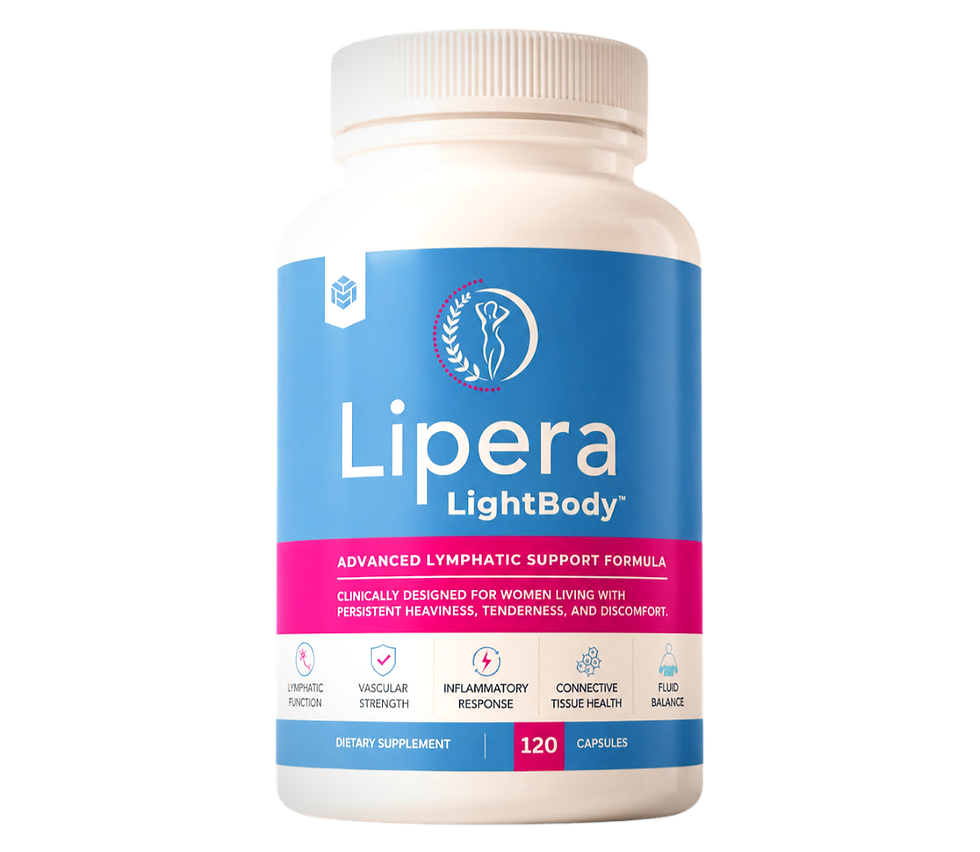
There are currently no supplements developed specifically for lipedema other than Lipera, which was designed to support lymphatic function, inflammation balance, and tissue health as explained in how Lipera works.
When the internal environment improves, other therapies become more effective.
How Acupuncture Fits After Internal Support
Once internal inflammation and lymphatic stress are better managed, acupuncture can serve as a valuable adjunct.
Reduced baseline inflammation often means:
Longer-lasting symptom relief
Better response to needle stimulation
Improved tolerance to other therapies
In this context, acupuncture becomes supportive rather than compensatory.
Acupuncture and Systemic Health Effects
Beyond local effects, acupuncture influences systemic physiology.
Studies in oncology and chronic disease populations show improvements in inflammation regulation, fatigue, and quality of life, which are relevant for lipedema patients managing a lifelong condition.
Clinical discussions on systemic inflammatory control note that acupuncture can influence immune balance and stress hormones, as described in systemic inflammatory response findings examining how acupuncture affects whole-body inflammatory processes.
These systemic effects help explain why some people feel globally better even when visible tissue changes are minimal.
Acupuncture and Lipedema Symptom Relief
When discussing acupuncture and lipedema, the most accurate framing is symptom support rather than structural correction.
Many people report:
Temporary pain relief
Less heaviness after sessions
Improved relaxation and sleep

These benefits can make daily life more manageable, especially when pain interferes with movement or compression tolerance.
However, symptom relief alone does not stop progression.
Why Acupuncture Works Best as Part of a Bigger Plan
Lipedema is multifactorial.
No single therapy addresses all contributing mechanisms.
Acupuncture may help calm the nervous system and support lymphatic flow, but it does not address the internal biochemical drivers of lipedema progression.
Emerging research across metabolic and inflammatory conditions emphasizes that sustained improvement requires layered interventions rather than isolated treatments, as highlighted in integrative treatment research discussing how multi-modal approaches outperform single therapies in chronic disease management.
This is where combination therapy becomes critical.
The Role of Combination Therapy in Lipedema
The most consistent success stories in lipedema management involve combination therapy.
This approach acknowledges that lipedema affects the body internally and externally at the same time.
Combination therapy often includes:
Internal metabolic and inflammatory support
Compression and lymphatic support
Gentle movement
Pain-modulating therapies like acupuncture
Women who achieve the greatest stability and quality-of-life improvements rarely rely on just one intervention.
A Realistic Path Forward
When considering acupuncture and lipedema together, the most empowering takeaway is this: acupuncture can help you feel better, but it works best when it’s not carrying the entire burden of treatment.
Here's a full post on lipedema pain management guidance, in case you need extra help with that.
Final Ideas About Accupuncture and Lipedema
Lipedema requires respect for its complexity.
Acupuncture can be a meaningful tool for symptom relief, nervous system regulation, and lymphatic support—but it is not a standalone solution.
The women who truly turn the corner with lipedema do so by embracing combination therapy, starting internally and building outward.
When therapies work together, the condition becomes far more manageable.
Acupuncture has a place in that journey—just not as the whole answer.