
Can You Have Lipedema Without Pain? Yes — Here’s Exactly How Some Women Do It
One of the most confusing questions people ask after diagnosis is simple: can you have lipedema without pain?
Many medical descriptions say pain is one of the defining characteristics of lipedema.
Tenderness, pressure sensitivity, and aching in the affected tissue are frequently reported symptoms.
But the reality is more nuanced.

Yes — you absolutely can have lipedema without pain, especially when the condition is well managed. Some people experience very little discomfort, and others who once had significant pain are able to reduce it dramatically over time.
A good example is Sarah Whitlow, who openly discusses how strict lifestyle changes allowed her to control her symptoms and live without the daily pain many patients expect.
The key isn’t luck.
It’s a combination of consistent habits that calm the biological processes driving lipedema symptoms.
Why Lipedema Pain Happens in the First Place
To understand how pain can disappear, it helps to understand why it appears.
Lipedema pain usually develops from several overlapping mechanisms:
inflammation in adipose tissue
microvascular fragility and fluid leakage
lymphatic congestion
pressure inside expanding fat compartments
Research exploring lipedema tissue shows inflammatory activity and structural differences in adipose tissue compared with normal fat, as described in a clinical tissue analysis examining lipedema pathology.
When inflammation and fluid accumulation increase, pressure builds inside the tissue.
That pressure irritates nerves and creates the aching, tender feeling many patients describe.
The important part of this equation is that inflammation and fluid retention are modifiable.
When they are reduced, pain often drops dramatically.
This is why the answer to can you have lipedema without pain becomes clearer once lifestyle and metabolic factors are addressed.

The Four Things That Reduce Lipedema Pain
People who successfully reduce lipedema pain tend to follow four core principles consistently over time.
None of them are magical on their own.
But together, they create an environment where inflammation and fluid retention gradually decrease.
1. Anti-Inflammatory Diet
The first and most important change is diet.
Highly processed foods, refined sugars, and inflammatory oils can dramatically worsen tissue inflammation.
For someone with lipedema, that inflammation directly feeds swelling and pressure.
Shifting toward a diet built around whole foods — vegetables, proteins, healthy fats, and stable carbohydrates — reduces inflammatory signaling throughout the body.
Some people choose very low-carbohydrate approaches such as ketogenic diets because they often reduce inflammation quickly.
However, strict keto can be difficult to maintain long term.
A more sustainable approach is a balanced anti-inflammatory plan that still allows some flexibility.
For example, a structured lipedema diet plan outlines a sustainable strategy that still allows foods like bread in moderation so people don’t feel trapped in an extreme diet.

The hardest part for many people is eliminating sugar and ultra-processed foods.
If that feels overwhelming, practical strategies are outlined in a guide to breaking sugar cravings explaining how to gradually reduce dependency on sugar.
Once inflammatory foods disappear, many patients notice swelling and tenderness begin to calm.
2. Maintaining a Calorie Deficit
The second key factor is maintaining a modest calorie deficit.
Lipedema fat is resistant to weight loss compared with normal adipose tissue.
But overall body fat reduction still helps reduce pressure inside tissue compartments.
When the body is consistently in a mild calorie deficit:
metabolic inflammation decreases
fluid retention often improves
mechanical pressure in the limbs drops
This does not mean starvation or extreme dieting. It simply means consistently eating slightly fewer calories than the body burns.
Over time, this metabolic shift helps reduce the inflammatory environment that contributes to pain.
3. Strategic Supplementation
While diet and calorie balance address many triggers, supplements can help support specific biological pathways involved in lipedema.
Certain nutrients influence:
lymphatic circulation
vascular integrity
inflammatory signaling
adipose tissue metabolism
For example, research examining metabolic factors in lipedema notes that nutrient deficiencies can contribute to inflammatory dysregulation, including low vitamin D levels, which are explored in a metabolic review discussing vitamin D and lipedema physiology.
This is why many experts recommend comprehensive supplements like Lipera, rather than single ingredients.
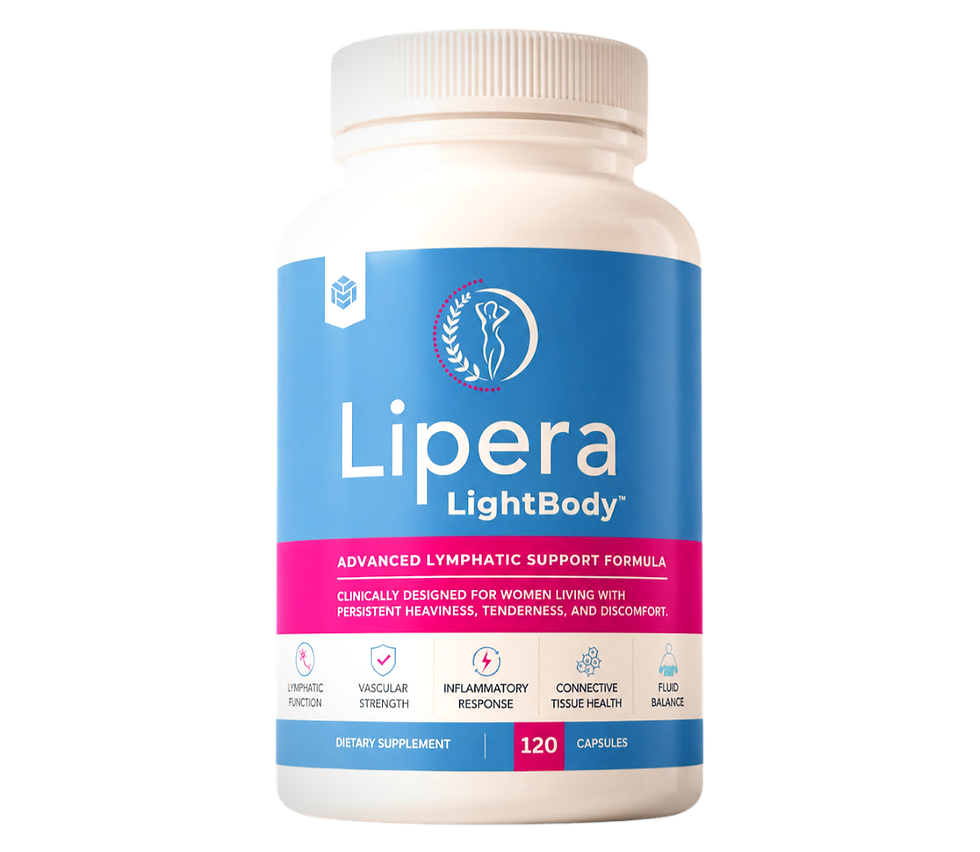
Lipedema is not driven by one pathway.
It involves vascular, lymphatic, inflammatory, and adipose mechanisms simultaneously.
Supplements designed to support multiple pathways at once are often more effective than single-ingredient products.
A deeper overview of pain-targeted strategies can be found in a treatment breakdown discussing approaches that address the underlying drivers of discomfort.
4. Daily Movement — Even Simple Walking

Exercise recommendations for lipedema often sound intimidating, but they don’t need to be.
In fact, one of the most effective habits is also the simplest: walking.
Power walking or light daily movement improves:
lymphatic flow
circulation
metabolic flexibility
fluid clearance from tissues
Unlike intense workouts that can sometimes aggravate symptoms, steady low-impact movement supports the lymphatic system without stressing joints or inflamed tissue.
Even 30–45 minutes of brisk walking per day can make a noticeable difference over time.
The key word is consistency.
Time and Consistency Are the Real Secret
The most important part of this process is patience.
Reducing inflammation and fluid retention takes time.
Most people who successfully reduce lipedema pain follow these habits for months before seeing dramatic improvements.
But once the system stabilizes, things often become easier.
Food cravings decrease. Energy improves.
The routine becomes normal rather than restrictive.
Many patients describe a tipping point where their lifestyle stops feeling like a constant effort and simply becomes how they live.
At that point, the question can you have lipedema without pain often stops being theoretical and becomes a lived reality.
The Hardest Step: Letting Go of Junk Food
If there is one obstacle almost everyone struggles with, it’s diet change.

Ultra-processed foods are engineered to trigger reward pathways in the brain.
They are intentionally addictive, which makes removing them challenging at first.
But once those foods are removed for a few weeks, cravings often decline significantly.
Replacing them with stable meals built around protein, vegetables, and healthy fats creates a much calmer metabolic environment.
For people trying to make that transition, the previously mentioned sugar reduction guide can be an extremely helpful starting point.
The Bottom Line
So can you have lipedema without pain?
Yes.
But it rarely happens by accident.
Reducing lipedema pain usually comes from consistently doing four things:
eating an anti-inflammatory diet
maintaining a modest calorie deficit
supporting the body with targeted supplementation
moving daily through simple exercise like walking
Over time, these habits reduce inflammation, improve circulation, and decrease fluid retention.
It takes discipline to reach that point — but once the system stabilizes, maintaining it becomes much easier.
And for many people, the reward is enormous: a life where lipedema no longer means living with constant pain.