
RAD Diet for Lipedema: Does It Actually Work?
If you’ve spent any time researching lipedema nutrition, you’ve probably come across the RAD diet and wondered the same thing everyone does: is this actually effective, or just another trend?
The short answer is yes — it works. And it works for a very specific reason.
An anti-inflammatory, insulin-aware diet directly targets the biological pathways that aggravate lipedema: chronic inflammation, fluid retention, insulin resistance, and dysfunctional fat signaling. When those pathways calm down, symptoms follow.

That’s why the rad diet for lipedema isn’t just about weight loss — it’s about changing the internal environment that allows lipedema to progress in the first place.
What the RAD Diet Actually Is (and What It Isn’t)
RAD stands for Reduce, Avoid, and Detoxify — but in practice, it’s best understood as a structured anti-inflammatory diet that minimizes metabolic stress.
At its core, the RAD diet emphasizes:
Low inflammatory load
Stable blood sugar
Reduced insulin spikes
Whole, nutrient-dense foods
It is not a starvation diet.
It is not about extreme calorie restriction.
And it is not meant to punish your body.
Instead, it removes the dietary inputs that are known to worsen swelling, pain, and fat resistance in lipedema.
Why Diet Matters So Much in Lipedema
Lipedema fat behaves differently than typical fat.
It is more resistant to breakdown, more prone to inflammation, and closely tied to lymphatic dysfunction.
Research comparing dietary approaches shows that lower-carbohydrate, higher-fat anti-inflammatory diets can improve metabolic markers, inflammation, and body composition — factors that are highly relevant to lipedema physiology, as demonstrated in clinical nutrition research.
When inflammation and insulin resistance stay high:
Fat tissue becomes more inflamed
Fluid retention increases
Pain sensitivity rises
Progression accelerates
This is why women often say, “I eat healthy, but nothing changes.”
The type of healthy matters.
The rad diet for lipedema works because it lowers the signals that tell lipedema tissue to stay inflamed and swollen.
Does the RAD Diet Really Improve Lipedema Symptoms?
Yes — but not overnight, and not in isolation.
Women who follow an anti-inflammatory dietary pattern often report:
Reduced swelling
Less daily pain
Fewer flare-ups
Improved energy
Better response to movement

Emerging research continues to support dietary interventions that lower inflammation and improve metabolic flexibility, including findings discussed in recent nutritional studies.
However, diet alone is rarely enough.
And this is where many people get frustrated.
Diet vs Compression: Treating Causes vs Managing Symptoms
Compression absolutely has a role in lipedema care.
It helps:
Reduce heaviness
Improve comfort
Limit fluid pooling
But compression is symptom management, not disease modification.
Compression does not:
Reduce inflammatory signaling
Improve insulin sensitivity
Change fat tissue behavior
That’s why relying on compression alone often feels like treading water.
Diet — especially a structured anti-inflammatory approach — addresses what’s happening upstream.
That’s why the rad diet for lipedema is considered a foundational strategy, not an optional add-on.
Why Supplementation Makes the RAD Diet Work Better
Even the best diet can’t fully compensate for impaired lymphatic flow, microvascular fragility, and chronic inflammation.
That’s where supplementation comes in.
Targeted supplementation supports:
Lymphatic movement
Capillary stability
Inflammatory balance
Tissue oxygenation
When paired with an anti-inflammatory diet, supplements help your body respond faster and more consistently.
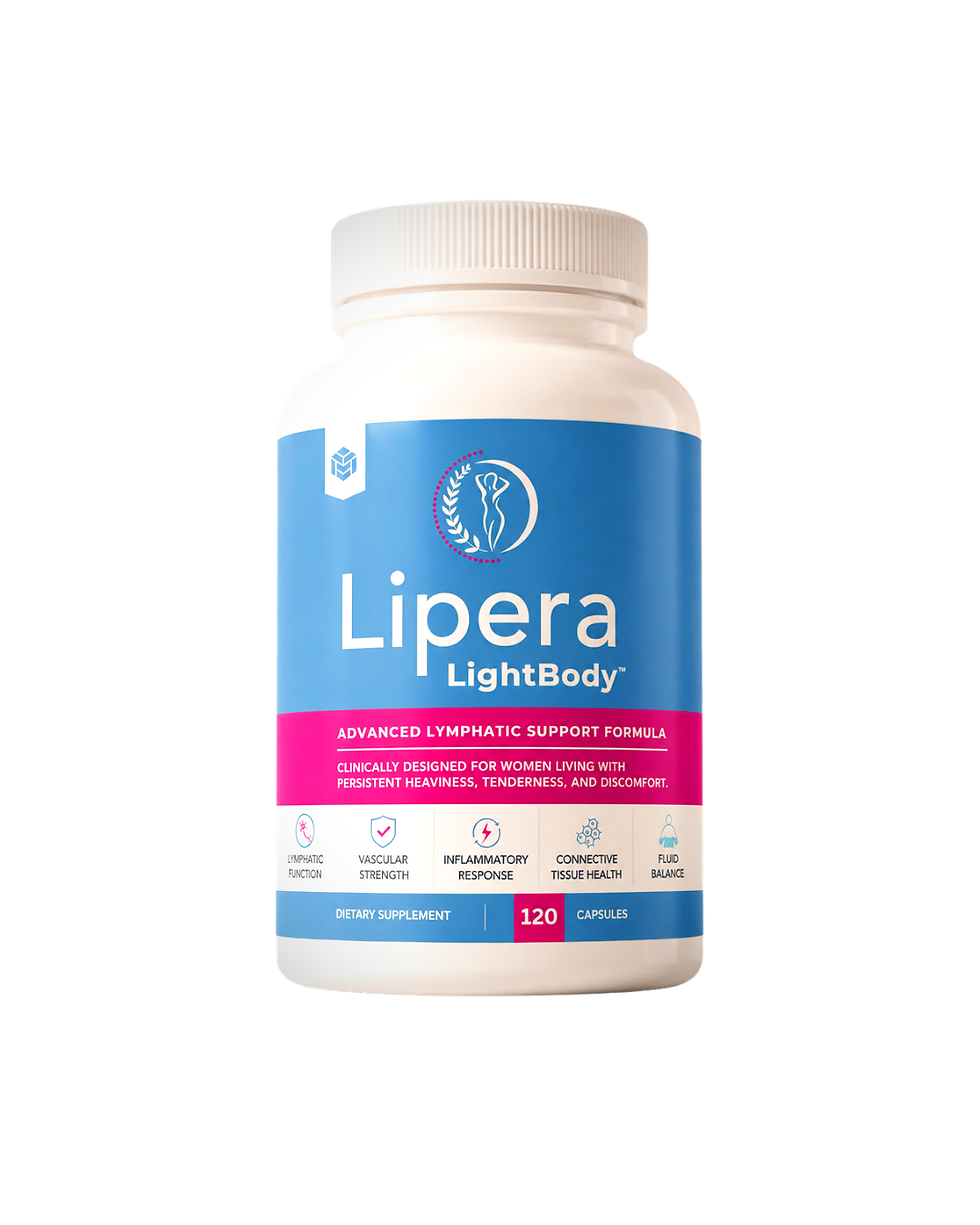
Many women choose a comprehensive, condition-specific option like Lipera because it works continuously in the background while diet handles daily inflammatory input.
This combination is powerful because it removes multiple aggravating signals at once.
Diet lowers the triggers.
Supplements support the systems trying to heal.
Why Some People Say the RAD Diet “Didn’t Work”
When the RAD diet fails, it’s usually for one of three reasons:
It wasn’t truly anti-inflammatoryHidden sugars, processed foods, or inflammatory oils can sabotage progress.
Stress stayed highCortisol directly worsens lymphatic flow and inflammation, regardless of diet.
No metabolic supportWithout addressing circulation and lymphatic function, dietary benefits plateau.
This doesn’t mean the approach is flawed — it means lipedema requires layered support.
RAD Diet vs Fasting: Which Is Better?

Fasting can be helpful for some people with lipedema, particularly when done strategically and safely.
It may improve insulin sensitivity and reduce inflammatory signaling.
However, fasting is not for everyone, and when done incorrectly it can increase stress hormones — which backfires.
For those interested, a structured fasting approach can help determine whether fasting complements or conflicts with your current symptoms.
For most people, a consistent RAD-style anti-inflammatory diet is more sustainable long term.
How to Start the RAD Diet Without Burning Out
You don’t need perfection.
Start by:
Removing ultra-processed foods
Eliminating added sugars
Prioritizing whole proteins and healthy fats
Reducing refined carbohydrates
A structured plan can help reduce decision fatigue, which is why many women find this RAD diet PDF useful when transitioning. It has 10 days of meal plans to get you started and it's completely free.
Consistency matters more than intensity.
So… Does the RAD Diet for Lipedema Actually Work?
Yes — when it’s used the right way.
The rad diet for lipedema works because it targets inflammation, insulin resistance, and metabolic stress — the very pathways that make lipedema worse over time.
When combined with supplementation and supportive tools like compression, it becomes part of a strategy that goes beyond symptom control.
Compression helps you feel better.
Diet and supplements help your body function better.
And that distinction is everything.
Final Thoughts
Lipedema doesn’t respond to willpower — it responds to physiology.
An anti-inflammatory diet isn’t a trend; it’s a direct intervention into the systems driving pain, swelling, and progression.
When paired with proper support, the RAD diet can be one of the most effective tools available.
Not because it’s extreme.
But because it finally speaks the body’s language.