
Cryotherapy for Lipedema: Does Fat Freezing Actually Work?
What if you could freeze stubborn fat away without surgery?
That's essentially the promise behind cryolipolysis, better known as fat freezing.
A device grabs an area of fatty tissue, cools it to a controlled temperature, damages some of the fat cells, and over the following weeks your body gradually clears those damaged cells.
For ordinary cosmetic body contouring, that's a real technology.

But lipedema isn't ordinary cosmetic fat.
And that's where the conversation around cryotherapy for lipedema becomes much more complicated.
There is evidence that cryolipolysis can reduce localized subcutaneous fat in people seeking cosmetic body contouring.
What we don't have is convincing clinical evidence demonstrating that freezing lipedema tissue meaningfully treats the disease itself.
So before spending hundreds—or potentially thousands—of dollars freezing different areas of your legs, let's separate what fat freezing actually does from what women with lipedema need it to do.
1. First, Cryotherapy and Cryolipolysis Aren't Exactly the Same Thing
People often use these terms interchangeably, but technically they're different.
General cryotherapy involves exposing the body or part of the body to cold temperatures.
Cryolipolysis is specifically designed to reduce localized subcutaneous fat.
It's the technology most people mean when they talk about procedures such as CoolSculpting or “fat freezing.”
During treatment, an applicator cools a targeted area of fatty tissue.
Adipocytes are particularly susceptible to controlled cooling, and some of those fat cells are damaged and gradually cleared following treatment.
So cryolipolysis for lipedema sounds incredibly logical at first.
Lipedema involves abnormal accumulation of adipose tissue.
Cryolipolysis destroys some adipocytes.
Problem solved, right?
Not quite.
2. Lipedema Isn't Simply “Too Many Fat Cells”
This is the same mistake people make with a lot of cosmetic body-contouring treatments.
Lipedema is a chronic disorder involving adipose and connective tissue.
Affected women may experience:
Disproportionate fat accumulation
Pain and tenderness
Easy bruising
Heaviness
Nodular tissue
Mobility problems
Secondary edema in some cases
Changes involving connective tissue and the local tissue environment
That is much more complicated than having a stubborn pocket of belly fat.
Cryolipolysis was developed primarily for localized body contouring.
It wasn't developed to correct the broader biological processes involved in lipedema.
That's the first major problem with cryotherapy lipedema treatments.
Even if you successfully destroy some fat cells in one section of your thigh, you haven't demonstrated that you've treated the underlying condition.
You've altered the volume of one treatment area.
Those are very different outcomes.
3. Does Fat Freezing Work on Lipedema?
This needs two different answers.
Can fat freezing reduce ordinary subcutaneous fat? Yes.
Has it been convincingly demonstrated to treat lipedema? No.
Published cryolipolysis research has demonstrated reductions in localized fat thickness and contour in cosmetic patients.
But we cannot automatically take research performed on ordinary adipose tissue and apply the results to a chronic adipose disorder.
That's particularly important because meaningful lipedema research shouldn't only ask:
Did the thigh become smaller?
It should also investigate:
Did pain improve?
Did heaviness improve?
Did bruising change?
Was mobility better?
Were improvements sustained?
What happened to the surrounding lipedema tissue?
Did quality of life improve?
Did patients need repeated treatments?
Those are the questions that would make fat freezing for lipedema genuinely interesting.
Right now, we don't have strong clinical evidence answering them.
4. Fat Freezing Only Treats the Area Under the Applicator
There's another practical problem.
Lipedema can involve enormous areas of the body.
It may extend from the hips through the thighs.
It may surround the knees.
It may continue down the calves toward the ankles.
Some women also have affected arms.
Cryolipolysis, meanwhile, is fundamentally a localized body-contouring treatment.
An applicator treats a specific pocket of tissue.
That makes sense when someone has a small stubborn bulge around her abdomen.
It makes considerably less sense when abnormal adipose tissue is distributed throughout both legs.
You could theoretically treat multiple areas.
But now you're talking about numerous treatment zones, repeated appointments, considerably more money and still no guarantee that you've meaningfully changed the symptoms of lipedema.
This is why asking does fat freezing work on lipedema requires looking beyond whether a machine can damage fat cells.
Technically affecting fat is one thing.
Creating a meaningful long-term lipedema management strategy is another.
5. There's Also a Strange Risk: Fat Can Actually Grow
This is one of the most important things to know about cryolipolysis.
A rare complication called paradoxical adipose hyperplasia, or PAH, can occur after treatment.
Instead of the treated area becoming smaller, adipose tissue enlarges.
And this isn't an internet rumor.
A 2025 systematic review and meta-analysis evaluated 28 studies involving more than 13,000 cryolipolysis patients.
The pooled estimate for PAH was approximately 0.22%—around 1 in 455 patients—although the researchers characterized the evidence as low-certainty and noted limitations in follow-up.
You can read the cryolipolysis safety analysis directly.
PAH typically produces a firm, well-defined enlargement in the area that was treated.
It's rare.
Most people receiving cryolipolysis will not develop it.
But when you're considering an elective cosmetic procedure, a small risk of ending up with more adipose tissue in the treated area deserves to be part of the decision.
Especially when the procedure hasn't been established as a lipedema treatment in the first place.
6. Why Compression Makes More Sense for Symptom Management

Compression isn't nearly as exciting as freezing fat.
But it's actually part of established conservative lipedema care.
The U.S. Standard of Care recommends individualizing compression according to a woman's symptoms, stage, pain, edema and physical ability.
Compression can support affected tissue and help manage pain and edema.
It doesn't destroy lipedema fat.
And that's okay.
Not every useful intervention needs to eliminate fat.
If your legs feel heavy and uncomfortable every afternoon, improving those symptoms may have a much greater effect on your daily life than producing a small reduction in fat thickness in one isolated area.
That's why compression deserves to sit much higher on the priority list.
If you're dealing with days when your legs suddenly feel substantially worse, our guide to calming a lipedema flare-up explains how compression can fit alongside movement and other symptom-management strategies.
The boring tools aren't always the bad tools.
7. Movement Gives You Something Fat Freezing Can't
Now compare fat freezing with exercise.
Cryolipolysis attempts to make a targeted area smaller.
Exercise can make your entire body more capable.
That's a massive difference.
Current U.S. guidance recommends individually prescribed exercise for lipedema and specifically discusses strengthening and conditioning.
Suggested activities include walking, swimming, stationary cycling, yoga, elliptical training and whole-body vibration.
And that brings us to one of the most important concepts in body composition:
You cannot turn fat into muscle.
Fat cells and muscle fibers are completely different tissues.
But you can reduce non-lipedema body fat where possible while simultaneously building more skeletal muscle.
That's the transformation worth chasing.
8. Build Muscle Underneath the Lipedema Tissue

Lipedema primarily affects adipose and connective tissue.
Your muscles can still adapt to training.
Your glutes can become stronger.
Your quadriceps can become stronger.
Your hamstrings can become stronger.
Your calves can become stronger.
Your core can become stronger.
And those changes have functional consequences.
More strength can make stairs easier.
It can make walking easier.
It can improve balance and physical capacity.
It can make exercising easier, which then makes staying active easier.
None of this means resistance training removes lipedema fat.
It doesn't.
But instead of spending all your energy trying to destroy the tissue you dislike, you're actively developing tissue that improves what your body can do.
Our guide to building muscle with lipedema goes deeper into how to approach strength training progressively when your legs are sensitive.
That's a long-term investment.
9. What About Vibration?
Whole-body vibration is another option some women use as part of their movement routine.
Again, it isn't a fat-removal treatment.
A vibration platform creates rapid mechanical oscillations that require repeated muscular stabilization.
Interestingly, the U.S. Standard of Care includes whole-body vibration among potentially beneficial home exercise options for people with lipedema.
That doesn't prove a vibration plate treats lipedema itself.
But it gives vibration a much more sensible role:
helping you move and activate muscle.
You can even combine it with basic exercises as tolerated.
Compare the philosophies.
Fat freezing says:
Lie down and let us destroy some fat.
Exercise and strength work say:
Let's make your body more capable.
For long-term management, we strongly prefer the second mindset.
10. Where Lipera Fits Into the Bigger Picture
No single tool should become your entire lipedema strategy.
Not compression.
Not vibration.
Not strength training.
And certainly not fat freezing.
The strongest routine is usually built from multiple sustainable habits.
Nutrition supports overall health and body composition.
Movement supports physical capacity.
Strength training builds muscle.
Compression can support tissue and help manage symptoms.
And some women choose targeted supplementation as another supportive layer.
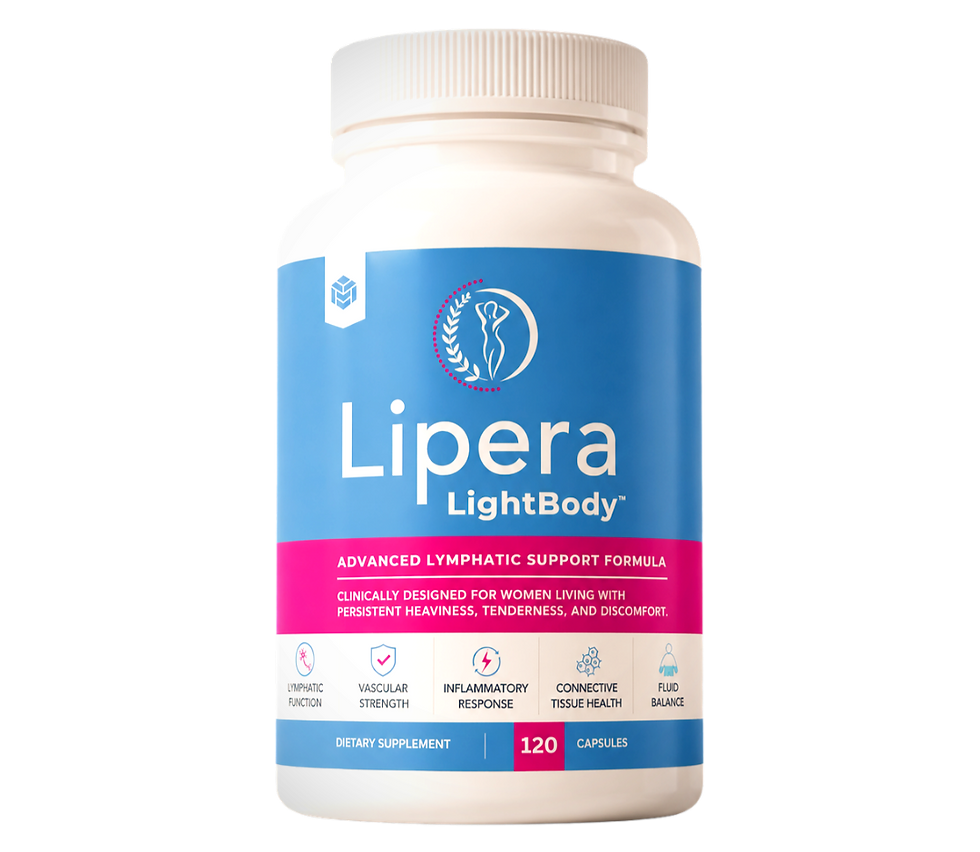
Lipera was physician-developed specifically for women with lipedema, with ingredients selected to support areas relevant to lipedema management, including circulation, fluid balance, lymphatic function and tissue health.

Lipera isn't a replacement for movement or compression, and supplements have not been proven to eliminate lipedema fat.
The point is to stop looking for one machine, pill or procedure that supposedly fixes everything.
Build a system.
Nutrition + movement + muscle + appropriate compression + optional supportive supplementation makes far more sense as a long-term strategy than endlessly chasing cosmetic procedures.
What About Cryolipolysis Before Lipedema Surgery?
This is another situation where we'd be cautious about experimenting on your own.
If you're considering lipedema reduction surgery, don't assume that freezing some of the tissue beforehand will make the eventual procedure easier or produce a better result.
There isn't good evidence establishing that strategy.
And because cryolipolysis intentionally creates biological changes within treated adipose tissue, this is something we'd discuss directly with the surgeon who would eventually be operating.
If surgery is genuinely on your horizon, let your lipedema surgeon guide decisions about procedures performed on the same tissue beforehand.
Don't create an unnecessary variable because a med spa offered you a package.
So, Is Cryotherapy for Lipedema Worth It?
If you're asking whether cryolipolysis can affect fat cells, the answer is yes.
That's why the technology exists.
If you're asking whether cryotherapy for lipedema has been convincingly demonstrated to treat the disease, improve its major symptoms, or provide a meaningful long-term management strategy, the evidence simply isn't there yet.
And there's an important difference between those two statements.
Cryolipolysis may reduce a localized pocket of ordinary subcutaneous fat.
It also carries risks, including the rare possibility of paradoxical adipose hyperplasia, where adipose tissue grows rather than shrinks.
Meanwhile, we already have much more established reasons to focus on exercise, strength, sustainable nutrition, compression and long-term self-management.
So before spending thousands trying to freeze pieces of your legs smaller, ask yourself a different question:
What if I invested that same money, time and attention into making my entire body stronger?
Build muscle.
Move consistently.
Manage non-lipedema body fat where appropriate.
Use compression when it helps.
Try vibration if it's comfortable and helps you move.
Support your nutrition.
And create a routine you can maintain for years.
Freezing fat may change a small area of your body.
Building a stronger body can change what you're able to do with it.