
How Fast Does Lipedema Progress? It Truly Depends on Your Routine & Habits
One of the most common questions people ask after diagnosis is simple: how fast does lipedema progress?

The honest answer is that progression varies dramatically from person to person.
Some people remain relatively stable for many years, while others notice symptoms worsening over shorter periods.
What makes the difference?
In most cases, progression is influenced by lifestyle habits, inflammation levels, hormonal changes, and how early someone begins supporting their body.
Understanding the factors that slow or accelerate the disease can help you take control before lipedema symptoms become severe.
Why Lipedema Progression Is Different for Everyone
Research examining lipedema physiology shows that the disease involves multiple biological systems including adipose tissue behavior, microvascular changes, inflammation, and lymphatic function.
These overlapping processes are described in a detailed lipedema research review exploring the underlying biology of the condition.
Because so many systems are involved, progression is rarely driven by a single cause.
Instead, several factors tend to influence how quickly lipedema worsens:
chronic inflammation
hormonal fluctuations
body weight changes
lymphatic congestion
metabolic stress
This is why two people with the same diagnosis can have completely different experiences.
For many patients, the key to slowing the disease comes down to daily routines and habits.
How Fast Does Lipedema Progress in Most Cases?
So realistically, how fast does lipedema progress?
For some people, symptoms develop slowly over decades. Others may notice faster changes after major hormonal events such as pregnancy, menopause, or significant weight gain.
Without lifestyle interventions, lipedema tissue can gradually become:
more fibrotic
more inflamed
more swollen
more resistant to metabolic change

But the important thing to understand is that progression is not inevitable at the same rate for everyone.
Many people successfully slow the disease dramatically by supporting the biological systems involved.
Step 1: Start With a Targeted Supplement
The easiest place to begin slowing lipedema progression is with targeted supplementation.
Lipedema involves several physiological mechanisms, including lymphatic congestion, fragile capillaries, inflammatory signaling, and abnormal adipose tissue metabolism.
Addressing these pathways simultaneously can help stabilize tissue behavior.
Many people begin with a targeted lipedema supplement such as Lipera, which is designed to support:
lymphatic flow
vascular integrity
inflammatory balance
adipose tissue metabolism
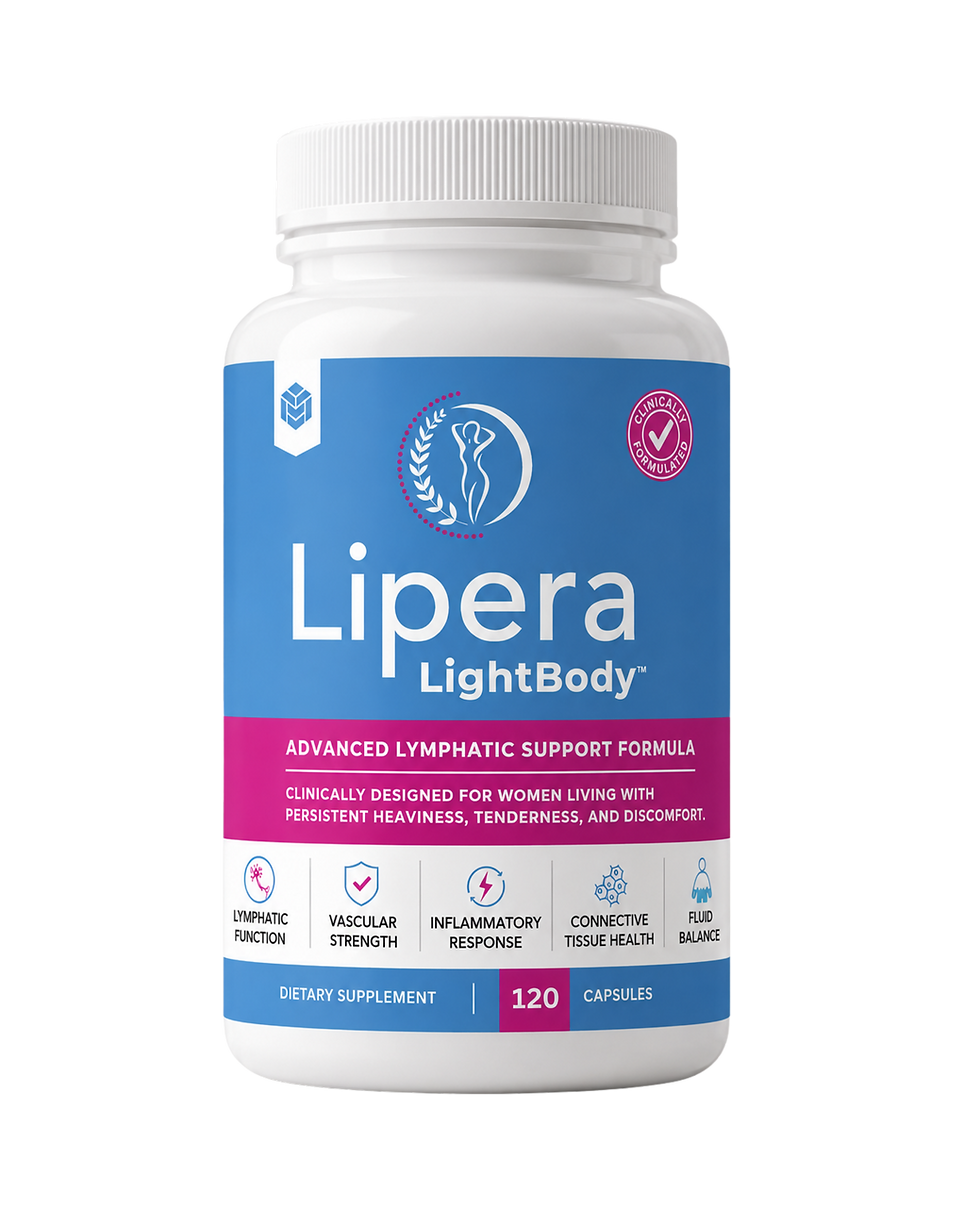
Because this step requires little lifestyle change, it is often considered the lowest-friction starting point.
Supporting these systems early can help prepare the body for additional interventions.
Step 2: Change Your Diet
Diet is one of the most powerful factors influencing inflammation.
Many people living with lipedema find that a ketogenic diet helps reduce swelling and stabilize energy levels because it lowers insulin spikes and inflammatory signaling.

However, strict keto can be difficult to maintain long term.
A more sustainable approach for many people is a hybrid strategy combining Mediterranean and ketogenic principles.
This approach emphasizes:
healthy fats
vegetables
lean proteins
reduced refined carbohydrates
The goal is to keep inflammation low while maintaining a diet that feels manageable.
Reducing inflammatory foods can significantly improve symptoms and may slow the processes that contribute to tissue expansion.
Step 3: Move Your Body Daily
Movement is essential for lymphatic health.
The lymphatic system does not have a pump like the heart. Instead, it relies on muscle movement to circulate fluid through the body.

Simple activities such as:
walking
swimming
cycling
can dramatically improve lymphatic drainage and circulation.
Many people find that consistent power walking is one of the easiest and most sustainable ways to support lymphatic flow.
Even moderate daily movement can reduce swelling and tissue pressure over time.
Step 4: Use Compression and Elevation
Compression garments help support lymphatic circulation and reduce fluid accumulation in affected areas.
Wearing compression during the day or at night can help reduce swelling and improve comfort.
Elevation is another simple strategy.
Raising the legs above heart level allows gravity to assist lymphatic drainage, which can reduce tissue pressure and fluid buildup.
These techniques are particularly helpful during flare-ups.
If you want to understand how to calm flare symptoms quickly, this flare-up guide explains strategies for reducing inflammation and swelling.
Step 5: Maintain a Healthy Body Weight
Body weight does not cause lipedema, but excess weight can worsen symptoms.
Higher body weight increases mechanical pressure inside fat compartments, which can:
worsen swelling
strain lymphatic drainage
increase inflammatory signaling
Maintaining a weight that feels healthy and sustainable for your body can help reduce these stresses.

The goal is not extreme dieting, but rather creating an environment where inflammation and metabolic strain remain low.
Avoid Overdoing Fasting
Some people experiment with fasting as a strategy for reducing inflammation or supporting weight management.
However, extreme fasting may not be ideal for everyone with lipedema.
Research examining metabolic changes during fasting has shown complex interactions between fasting, inflammation, and metabolic signaling, as discussed in a recent metabolic study exploring how fasting influences inflammation pathways.
While moderate fasting can have benefits for some individuals, aggressive fasting can sometimes increase stress hormones or destabilize metabolism.
A balanced, sustainable approach to diet usually works better long term.
Surgery as an Advanced Option
For individuals who want to address lipedema more aggressively, surgical removal of lipedema fat may be considered.
Lipedema reduction surgery removes abnormal adipose tissue that does not respond to diet or exercise.

When performed by experienced surgeons using lymphatic-sparing techniques, surgery can significantly reduce tissue burden and improve mobility.
However, surgery works best when patients already maintain healthy routines that support metabolic and lymphatic health.
Lifestyle interventions help ensure that surgical results remain stable over time.
The Bigger Picture
Ultimately, when asking how fast does lipedema progress, the answer is not fixed.
Progression depends heavily on how the body’s inflammatory, metabolic, and lymphatic systems are managed.
The people who experience the slowest progression often share several habits:
consistent anti-inflammatory diets
regular movement
lymphatic support
metabolic stability
Addressing these factors does not eliminate lipedema, but it can dramatically change how the disease behaves.
Final Thoughts
Lipedema can feel unpredictable, especially early after diagnosis.
But lipedema progression is less about fate and more about physiology.
The choices you make each day—what you eat, how you move, how you support your lymphatic system—can influence the environment inside your body.
By combining targeted supplementation, dietary changes, consistent movement, and supportive therapies, many people are able to slow progression and maintain a much higher quality of life.
The key is starting early and staying consistent.
Small habits repeated over time can make an enormous difference in how lipedema evolves.