
Understanding Lipedema Face Swelling: A Hidden Struggle
Lipedema in the Face: Is It Possible?
Lipedema itself is defined as a chronic disorder of adipose tissue, inflammation, and impaired lymphatic function. While the face isn’t classically listed as a primary location, the mechanisms that drive lipedema absolutely can influence facial swelling and cause small lipedema nodules to form.
Here’s why that matters.
Lymphedema — a condition involving lymphatic fluid buildup — is well documented to affect the face, head, and neck. Medical literature and clinical resources clearly describe facial swelling, heaviness, and tissue congestion when lymphatic drainage is compromised, as outlined in a clinical overview.
Lipedema and lymphedema share overlapping features:
Impaired lymphatic flow
Fluid accumulation
Chronic inflammation
Tissue congestion
Because of this overlap, it makes physiological sense that lipedema in the face can occur — especially during flares, hormonal shifts, or periods of high inflammation. Emerging research continues to explore these shared mechanisms, including inflammatory signaling and adipose tissue behavior, as discussed in recent metabolic research.
So if your face looks swollen in ways that feel “lipedema-like,” there’s a real biological explanation. The good news? There are things you can do — starting right now.
3 Actionable Steps You Can Take Today to Reduce Lipedema Face Swelling
1. Start with a supplement that works all day and night
This is the easiest win — and the one most women skip.
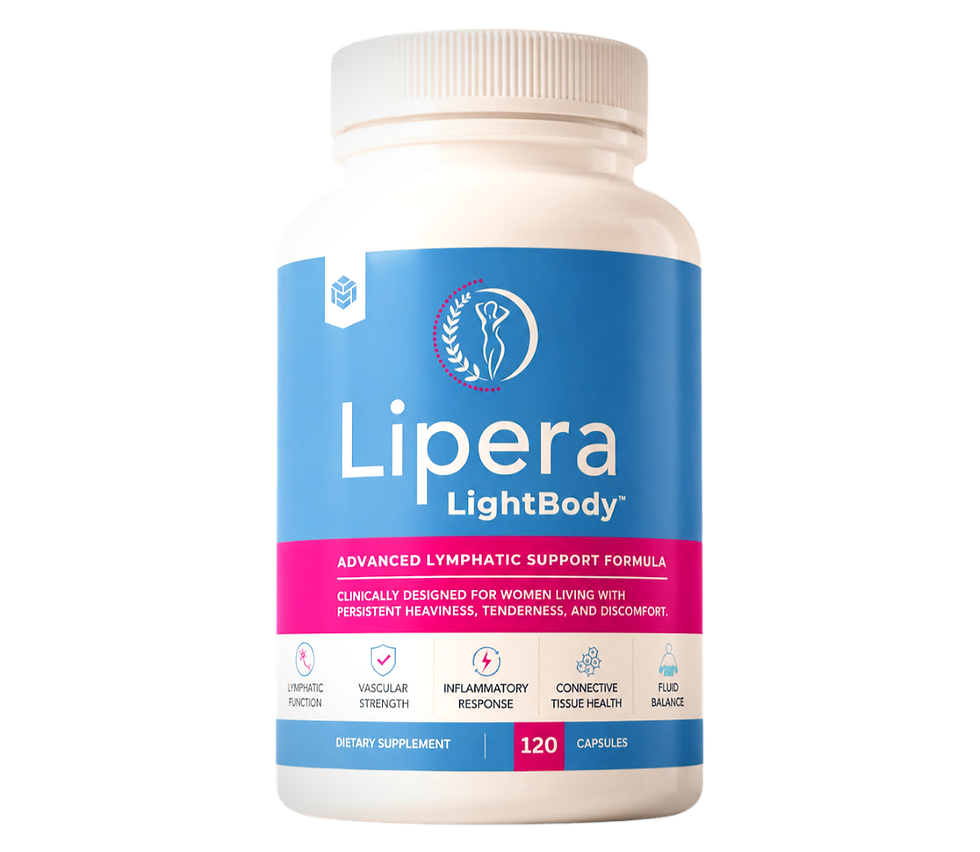
Supplements don’t require motivation, discipline, or lifestyle disruption. You don’t need to fight cravings, carve out time, or push through pain. You just need to remember to take them.
A targeted supplement designed for lipedema physiology works 24/7, supporting:
Lymphatic flow
Microcirculation
Capillary stability
Inflammatory balance
That matters because facial swelling is often a fluid and inflammation issue, not a skincare issue. Using a comprehensive option like Lipera allows your body to address the root contributors to swelling continuously — while you live your life. For many women, this alone leads to noticeable reductions in facial puffiness, heaviness, and “morning swelling” over time.
Think of supplements as the foundation. Everything else works better once inflammation and fluid congestion are already being addressed in the background.
2. Do these 3 types of movement that are known to slim the face
You don’t need intense workouts to affect facial appearance. Certain types of movement are known to reduce overall inflammation, improve circulation, and mobilize fat and fluid — including in the face. The three most effective options are:
Swimming
Cycling
Walking
These activities share a few key traits:
They’re low-impact
They support lymphatic movement
They reduce systemic inflammation
They’re sustainable long term
Swimming is especially powerful because water pressure naturally supports lymphatic drainage, which is why aquatic movement is often recommended for lymphatic conditions, including lipedema, as discussed in a movement-focused resource.
Cycling and walking improve circulation and insulin sensitivity without triggering stress responses that can worsen swelling. Over time, this can reduce facial fat visibility and fluid retention, making lipedema face swelling less noticeable.
Consistency matters far more than intensity. Thirty minutes most days beats exhausting yourself once a week.
3. Eat anti-inflammatory foods only (this is the hardest — and second most important)

This step requires the most effort — but it also delivers the biggest long-term payoff. Facial swelling is extremely sensitive to inflammation. When inflammatory foods are present, fluid retention increases, lymphatic flow slows, and facial fullness becomes more pronounced.
An anti-inflammatory diet focuses on:
Whole, unprocessed foods
Stable blood sugar
Reduced insulin spikes
Lower inflammatory signaling
This doesn’t mean perfection. It means being intentional. When inflammation drops, facial swelling often follows. Jawlines sharpen. Puffiness softens. Morning swelling improves. And lipedema symptoms throughout the body tend to calm as well.
If you want a structured approach without guesswork, a dietary framework can help you focus on what actually matters instead of chasing trends. Importantly, diet works best after supplements and movement are already in place. Trying to change everything at once often backfires.
Why Facial Swelling Often Gets Worse During Flares
Many women notice that facial swelling spikes during:
Hormonal changes
High stress periods
Poor sleep
Inflammatory flares
This isn’t random. Stress hormones directly affect lymphatic contractility and fluid balance. When stress stays high for too long, lymphatic flow slows and inflammation rises — which shows up quickly in the face. This is why facial swelling can linger for weeks or even months after emotionally or physically demanding periods. Managing stress isn’t optional if facial swelling is a concern.
What to Expect (and What Not to Expect)

Reducing lipedema-related facial swelling is not overnight magic. What most women notice first:
Less morning puffiness
Reduced heaviness in cheeks and jaw
Fewer dramatic “swollen days”
Over time:
Facial contours become more defined
Swelling becomes less reactive
Flares shorten and soften
What you shouldn’t expect:
Spot-reduction overnight
Skincare products to fix the issue alone
One intervention to do everything
This is about supporting systems — not forcing results.
Final Conclusion
Lipedema in the face may not be talked about enough, but it follows the same rules as lipedema elsewhere in the body: inflammation, fluid congestion, and lymphatic dysfunction drive what you see in the mirror.
The most effective approach is layered:
A supplement that works around the clock
Gentle, lymph-supportive movement
An anti-inflammatory diet that reduces flare potential
Start with the easiest step. Build momentum. Let your body respond. Facial swelling is not something you have to “just live with.” And for many women, once the underlying systems are supported, the face is one of the first places improvement shows.
Additional Insights on Lipedema Management
Understanding the Connection Between Hormones and Lipedema
Hormonal fluctuations can significantly impact lipedema symptoms. Many women find that their symptoms worsen during their menstrual cycle or menopause. Understanding this connection can help you anticipate changes and manage them more effectively.
The Role of Stress Management
Stress management techniques, such as mindfulness, yoga, and meditation, can be beneficial. These practices not only help reduce overall stress but also support lymphatic health. Incorporating these techniques into your daily routine can lead to improved well-being.
Building a Support Network
Connecting with others who understand your journey can be invaluable. Consider joining support groups or online communities where you can share experiences and strategies. This sense of community can provide encouragement and motivation.
The Importance of Regular Check-ups
Regular check-ups with healthcare professionals who understand lipedema can help you stay informed about your condition. They can provide guidance on the latest treatments and research, ensuring you have access to the best possible care.
Conclusion
In conclusion, managing lipedema face swelling requires a multifaceted approach. By incorporating supplements, movement, and an anti-inflammatory diet, you can take significant steps toward reducing swelling and improving your overall quality of life. Remember, you are not alone in this journey, and there are resources available to support you every step of the way.