
How to Quickly Control Painful Lipedema Nodules
Lipedema is often described as a swelling disorder, but many people quickly discover that one of the most frustrating symptoms is something else entirely: painful lipedema nodules.

These small, dense lumps can develop inside the fat tissue and create tenderness, pressure sensitivity, and aching that can make daily movement uncomfortable.
In more advanced stages, the nodules can harden and become fibrotic, making them even more painful.
The good news is that while lipedema nodules can feel overwhelming, there are several ways to reduce pain and regain control of your body.
This guide explains what these nodules actually are, what they feel like, and the most effective steps to control them.
What Do Lipedema Nodules Feel Like
One of the most common questions people ask is simple: what do lipedema nodules feel like?
Many patients describe the sensation as small beads, marbles, or grainy clumps inside the fat tissue.
A very common description is lipedema rice and peas — the feeling that tiny grains are scattered throughout the tissue beneath the skin.
This texture occurs because lipedema fat becomes structurally abnormal.
Instead of smooth adipose tissue, the fat develops irregular clusters and fibrotic areas.
Research examining lipedema tissue explains that these structural changes occur as adipose cells enlarge and connective tissue thickens over time, which is discussed in a detailed lipedema pathology review exploring how lipedema fat develops.
When these clusters press on surrounding nerves or become inflamed, pain begins.
What Do Lipedema Nodules Look Like
Another common concern is what do lipedema nodules look like.
Unlike cysts or tumors, lipedema nodules are usually not visible on the surface of the skin. They sit within the fat layer underneath the skin.
However, they can sometimes create subtle visual signs such as:
uneven skin texture
lumpy fat distribution
thickened tissue areas
mild dimpling or contour changes
These visual patterns are one reason lipedema is often confused with cellulite.
Lipedema Nodules vs Cellulite
Understanding lipedema nodules vs cellulite is important.
Cellulite occurs when fat pushes against connective tissue, creating dimpling at the skin surface. It is usually painless.

Lipedema nodules are different.
They involve:
abnormal adipose tissue growth
inflammatory signaling
fibrotic connective tissue changes
pressure within fat compartments
This is why lipedema nodules often hurt, while cellulite rarely does.
Lipedema Nodules Under the Skin
When doctors describe lipedema nodules under the skin, they are referring to small clusters of abnormal fat tissue surrounded by connective tissue.
These nodules develop as lipedema progresses.
Inside the tissue, several things are happening simultaneously:
fat cells enlarge
connective tissue thickens
microvascular leakage increases
inflammatory signals accumulate
Over time, this environment creates clusters of dense tissue that can be felt during palpation.
The Lipedema Foundation describes the texture of this tissue as granular and uneven, similar to the sensations patients describe when touching affected areas, as explained in a patient-focused texture description discussing how lipedema fat feels.
Fibrotic Lipedema Nodule
As lipedema progresses, some nodules become more rigid and difficult to break down.
This is known as a fibrotic lipedema nodule.
Fibrosis occurs when connective tissue builds up around fat clusters.
Instead of soft fat, the tissue becomes hardened.

Fibrotic nodules are often:
more painful
less responsive to massage
harder to mobilize
associated with more advanced disease
Treating these fibrotic areas requires addressing inflammation and lymphatic flow while also supporting tissue remodeling.
Painful Lipedema Nodules
For many people, the most debilitating symptom is simply painful lipedema nodules.
The pain often appears as:
tenderness when touched
deep aching in the tissue
pressure sensitivity when walking
soreness after prolonged standing
throbbing discomfort at night
This pain occurs because nodules create pressure inside the fat compartments.
Inflammation and fluid buildup increase that pressure further, irritating nearby nerves.
Controlling this inflammation and fluid pressure is the key to reducing pain.
The Fastest Way to Reduce Painful Lipedema Nodules
One of the most effective first steps many patients take is using a targeted lipedema supplement designed to address the biological pathways driving swelling and inflammation.
Among available options, many patients report the fastest relief with Lipera, which was specifically formulated to target lipedema physiology.
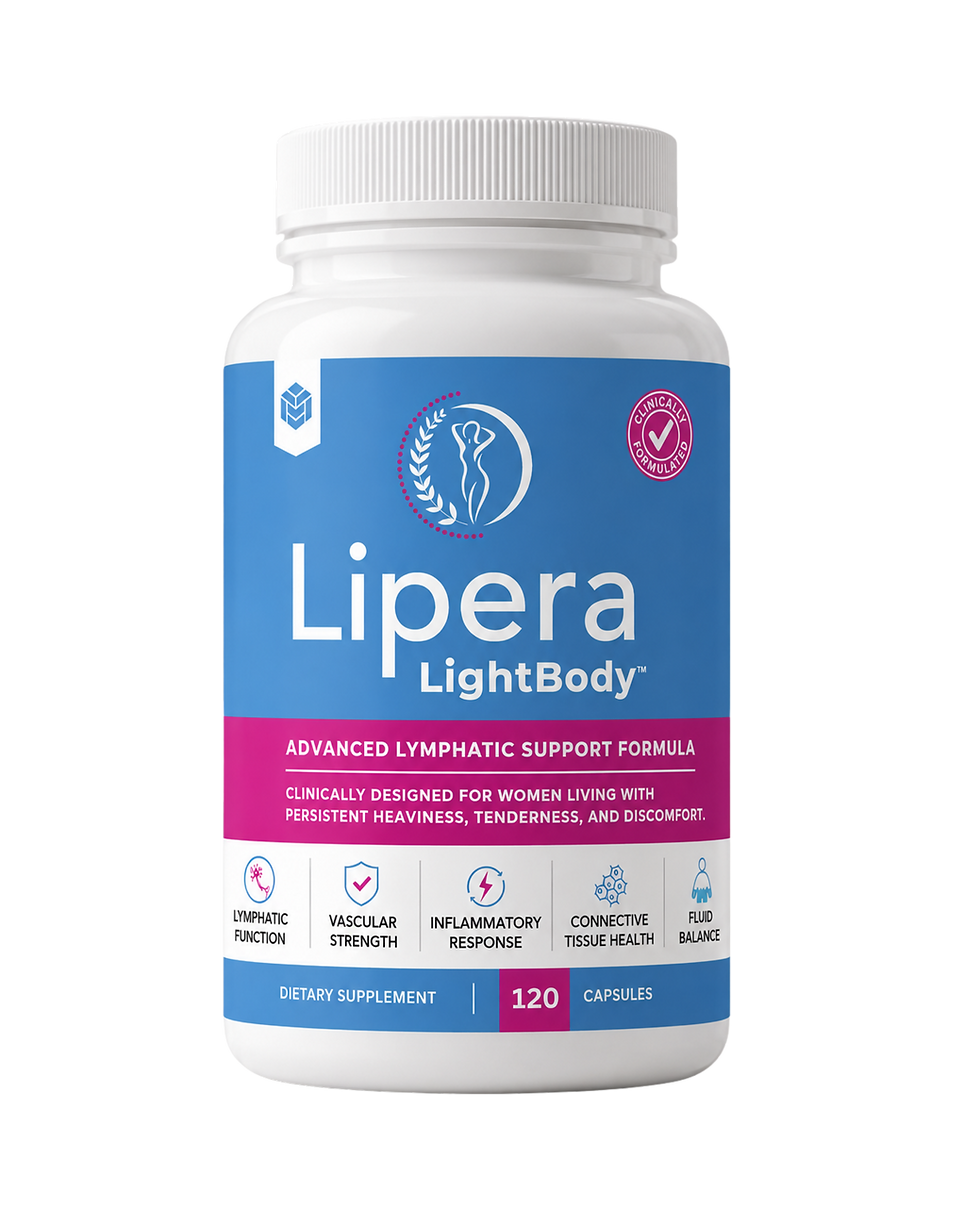
Lipera works by supporting multiple systems that influence nodule pain, including:
lymphatic flow
microvascular integrity
inflammatory signaling
adipose tissue metabolism
Because lipedema involves several overlapping mechanisms, addressing multiple pathways simultaneously can produce faster symptom relief.
Many people report noticeable improvement in swelling and tenderness within 2–3 days, while others experience gradual improvement over several weeks.
Lipera is often considered the strongest non-prescription option for managing painful lipedema nodules because it directly targets the mechanisms causing inflammation and tissue pressure.
Symptoms it commonly helps reduce include:
swelling
tissue tenderness
heaviness in the legs
inflammation
pressure sensitivity
lymphatic congestion
bruising
nodular pain
For many patients, reducing inflammation alone dramatically decreases nodule discomfort.
Other Options for Managing Lipedema Nodules
While supplements are often the easiest first step, several other strategies can also help reduce nodule pain.
Manual Lymphatic Support
Improving lymphatic drainage can reduce fluid buildup in the tissue.
Methods may include:
lymphatic massage
compression therapy
gentle movement
Reducing fluid pressure often reduces nodule tenderness.
Anti-Inflammatory Diet

Diet plays a major role in inflammatory signaling.
Many patients notice reduced swelling and tenderness when eliminating:
processed foods
added sugars
inflammatory oils
Stabilizing blood sugar and reducing inflammatory foods helps calm the tissue environment.
Movement
Gentle movement improves circulation and lymphatic flow.
Walking, swimming, and light strength training can reduce stagnation within the tissue.
Over time, this helps soften nodules and reduce pain.
Targeted Treatments for Fibrosis
When nodules become fibrotic, additional interventions may be necessary.
Options are discussed in this fibrosis treatment guide explaining realistic approaches for breaking down fibrotic tissue.
These treatments focus on improving tissue mobility and reducing connective tissue buildup.
Medical Options
In some cases, medications may be used to support circulation or metabolic function.
An overview of these options can be found in a medication guide discussing pharmacologic treatments sometimes used in lipedema management.
Why Painful Lipedema Nodules Get Worse Over Time
Without intervention, nodules can worsen because the underlying environment remains inflammatory.
Several processes reinforce each other:
adipose tissue expansion
lymphatic overload
vascular leakage
fibrosis formation
This creates a cycle where nodules become progressively harder and more painful.
Breaking that cycle early is the most effective way to prevent severe fibrosis.
The Bottom Line
Lipedema nodules can feel frightening at first, especially when they become painful.
But understanding what they are—and how to manage them—can make a huge difference.
The most important thing to remember is that painful lipedema nodules are not permanent or untreatable.
By addressing inflammation, improving lymphatic flow, and supporting tissue health, many people significantly reduce nodule pain.
For many patients, the first step that provides noticeable relief is starting a targeted supplement designed for lipedema, such as Lipera.
From there, combining dietary changes, movement, and lymphatic support can gradually soften nodules and restore comfort.
With the right approach, it is entirely possible to regain control of your body and dramatically reduce the pain caused by lipedema nodules.