
3 Realistic Options to Support Lipedema Fibrosis: What to Know
If you’re dealing with lipedema, chances are you’ve already noticed that something deeper is happening beneath the surface of your tissue.
Nodules harden.
Pain becomes persistent.
Swelling no longer fluctuates the way it used to.

Over time, this progression often leads to fibrosis in lipedema, a structural change that fundamentally alters how the tissue behaves.
At that point, symptom management alone stops working.
There are three realistic paths people consider when searching for a solution.
Some offer short-term relief. Others temporarily mask progression. Only one addresses the connective tissue dysfunction driving the disease itself.
What Is Lipedema Fibrosis and Why It Changes Everything
Lipedema fibrosis refers to the gradual hardening and thickening of connective tissue within lipedema-affected fat.
As the disease advances, inflammation, impaired lymphatic flow, and microvascular dysfunction trigger excess collagen deposition.
This structural remodeling is not cosmetic — it changes how tissue functions at a mechanical and metabolic level.
Evidence from this chronic inflammatory signaling study demonstrates how persistent cytokine activity and impaired fluid clearance accelerate connective tissue remodeling in adipose-based disorders.
Once fibrotic tissue develops, circulation becomes restricted, pain intensifies, and responsiveness to standard interventions declines.
Unlike simple swelling, lipedema fibrosis alters tissue architecture. Compression, diet, and exercise alone rarely reverse it.
This is also why many women report that early-stage strategies suddenly stop working.
The underlying pathology has changed.
Lipedema and Fibrosis: How the Process Escalates
The relationship between lipedema and fibrosis is not incidental.

Lipedema creates an environment of chronic inflammation, lymphatic stagnation, and tissue hypoxia.
Over time, these conditions activate fibroblasts and disrupt normal extracellular matrix regulation.
Findings from this connective tissue remodeling analysis show that impaired lymphatic signaling and microvascular dysfunction promote progressive fibrosis, reinforcing why lipedema behaves differently from typical fat accumulation.
As fibrosis increases, tissue becomes mechanically rigid and metabolically resistant.
At this stage, treatments that do not address remodeling mechanisms tend to plateau or fail.
Fibrotic Lipedema Tissue
Fibrotic lipedema tissue is characterized by palpable hardness, reduced elasticity, and increased pain sensitivity.
Patients often describe it as rope-like or cement-dense beneath the skin.
This tissue traps inflammatory mediators, restricts lymphatic flow further, and perpetuates disease progression.
Clinically, fibrosis is not static scar tissue.
It is an active process involving cytokine signaling, oxidative stress, and endothelial dysfunction.
This explains why calorie restriction and exercise often fail to produce meaningful change once fibrosis is established.
Many patients experiencing these changes first recognize them as worsening nodules — a progression explored in this discussion of nodular tissue changes.
Lipedema Fibrosis Treatment Option 1: Targeting Root Pathways
Unlike medication-only strategies, connective tissue-focused support targets the biological mechanisms driving fibrosis itself.
Lipedema fibrosis is fundamentally linked to inflammation, lymphatic dysfunction, oxidative stress, and impaired microcirculation.
This is where ingredient-level intervention matters.
Lipera’s formulation was designed around these exact pathways.
Rather than forcing short-term metabolic changes, it supports the tissue environment that determines whether fibrosis progresses or stabilizes.
Each component targets a different driver involved in connective tissue dysfunction, lymphatic flow impairment, and endothelial stress.
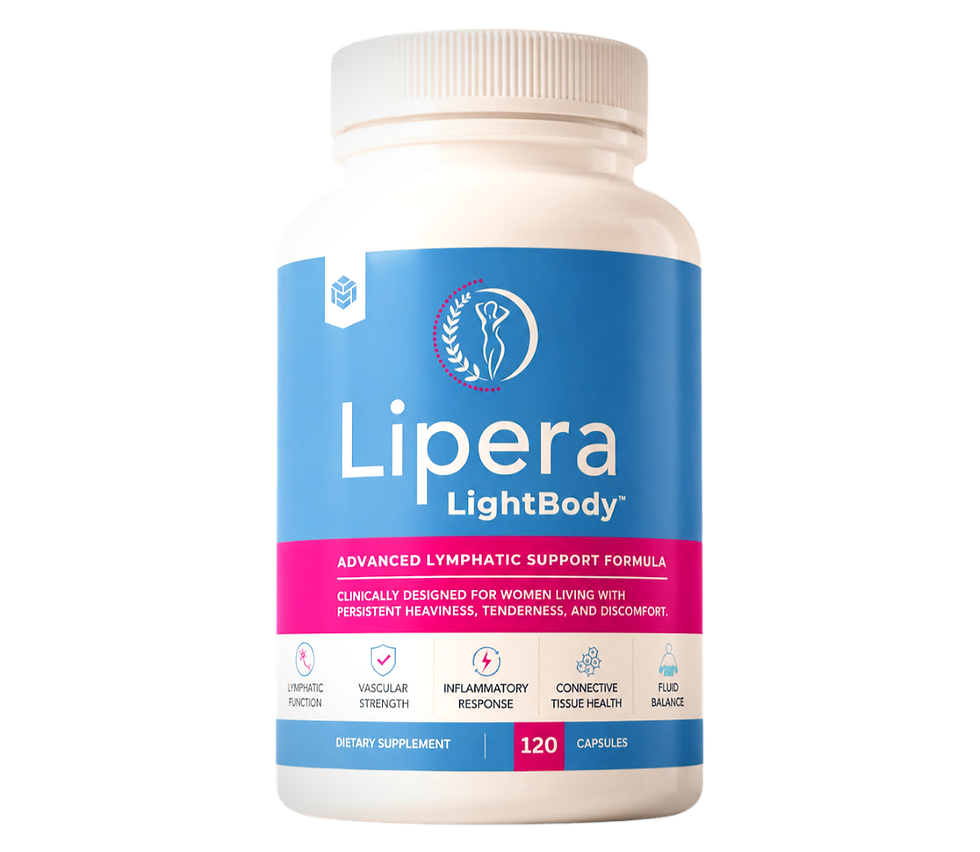
This approach aligns with broader non-surgical strategies discussed in this overview of non-surgical options.
For those seeking a comprehensive pathway-level approach, the formulation itself can be explored directly at LiperaHealth.com.
Lipedema Fibrosis Treatment Option 2: GLP-1 Medications
GLP-1 medications such as Zepbound are increasingly discussed in lipedema spaces.
These drugs suppress appetite, improve insulin sensitivity, and often result in rapid weight loss.

Some patients report temporary reductions in limb heaviness or discomfort.
However, GLP-1 therapy does not directly target fibrosis pathways.
It does not remodel connective tissue, reverse collagen deposition, or restore lymphatic signaling.
Any improvement typically reflects reduced systemic inflammation or transient fluid shifts.
Once discontinued, symptoms frequently return. Coverage for lipedema-specific use is inconsistent, and long-term dependency raises cost and tolerability concerns.
As a result, GLP-1 medications function as symptom modifiers — not disease-level solutions.
Lipedema Fibrosis Treatment Option 3: Metformin
Metformin is another medication sometimes considered due to its effects on insulin resistance and inflammation.
In some patients, it modestly improves metabolic markers and slows progression.
However, metformin does not directly influence fibrosis formation.
It does not promote collagen breakdown, normalize extracellular matrix structure, or repair lymphatic dysfunction. Benefits tend to plateau once fibrotic tissue is established.

Long-term use may also introduce nutrient depletion and gastrointestinal side effects, making it an imperfect long-term strategy for a connective tissue disorder.
Fibrotic Lipedema Tissue and Chronic Pain Syndromes
The overlap between fibrotic lipedema tissue and fibromyalgia-like pain is often overlooked.
As fibrosis increases, nerve compression and reduced oxygen delivery contribute to widespread pain amplification, fatigue, and hypersensitivity.
This explains why advanced lipedema frequently presents with symptoms that extend beyond affected limbs.
Addressing fibrosis becomes essential not just for tissue structure, but for pain modulation and quality of life.
Why Medication-Only Strategies Eventually Fail
GLP-1 medications and metformin share a critical limitation: they do not address lipedema as a connective tissue disorder.
Once discontinued, fibrotic processes resume. Insurance coverage remains inconsistent, and long-term dependency introduces new risks.
Fibrosis is not excess fat. It is structural pathology.
Treating it requires restoring the tissue environment — not masking downstream effects.
Choosing the Right Path Forward
When evaluating options, it helps to be clear about what each approach can and cannot do:
Medications may offer temporary symptom relief
Lifestyle changes support overall health but rarely reverse fibrosis
Connective tissue-targeted support addresses root mechanisms
Lipedema fibrosis is progressive, but it is not untouchable.
When the underlying drivers are addressed early and consistently, outcomes can change.
Final Thoughts on Lipedema Fibrosis
Lipedema fibrosis changes the disease course — but it also clarifies the solution.
Once fibrotic tissue develops, surface-level strategies stop working.
Long-term improvement depends on addressing inflammation, lymphatic dysfunction, and connective tissue remodeling together.
That’s why the most effective lipedema fibrosis treatment is not the newest medication or the fastest weight-loss tool.
It’s the approach that targets the disease at its source.
And right now, that approach exists.