
Keto Diet for Lipedema: The Complete Breakdown of What to Eat and Avoid
Lipedema is a painful, genetically influenced fat disorder affecting millions of women—yet most go years without answers.
Traditional dieting rarely makes an impact, which is why so many women end up believing they’re doing something wrong.
They’re not. Lipedema fat behaves differently than normal fat. It’s fibrotic, inflamed, resistant to calorie restriction, and tied deeply to hormonal and lymphatic imbalances.
This is exactly why the keto diet for lipedema has gained so much attention in recent years.

Not because keto is trendy, but because the metabolic changes created by ketosis directly target the areas where lipedema physiology breaks down: inflammation, insulin resistance, fluid retention, and impaired fat metabolism.
This article breaks down exactly how a ketogenic approach affects lipedema, what foods help, what foods worsen symptoms, and how to implement this safely and effectively.
Why Keto Works Differently for Lipedema
Lipedema fat is not “typical fat.” It resists breakdown due to:
chronic inflammation
microvascular fragility
lymphatic congestion
impaired fat metabolism
estrogen-driven fat storage
increased adipocyte number
fibrosis in deeper tissues
This means that low-calorie diets, low-fat diets, and typical weight-loss strategies rarely improve lipedema symptoms. The body tries to burn fat, but lipedema fat does not respond normally.
Enter the lipedema ketogenic diet.
Ketosis changes energy metabolism in a way that lowers inflammation, stabilizes insulin, reduces water retention, and improves the body’s ability to break down stubborn fat.
This isn’t about eating bacon all day—it’s about shifting the body into a fat-burning, anti-inflammatory state.
A peer-reviewed metabolic study from Cell Press demonstrates how ketogenic metabolism reduces inflammatory signaling and changes fat oxidation pathways. You can view this research directly in the ketogenic metabolic effects study.
This research helps explain why so many women with lipedema report improved symptoms even without extreme calorie restriction.
What Lipedema Patients Report on Keto
Many women experimenting with keto lipedema protocols consistently report:
reduced swelling
less pain and tenderness
decreased heaviness in legs
improved mobility
less ankle and knee pressure
better energy
reduced fibrotic nodules
lost inches even when weight barely changes
Bottom line: the heaviness eased.

This matches the underlying physiology of lipedema, which responds best to anti-inflammatory, low-insulin environments.
What the Science Says About Keto’s Effects on Inflamed Fat
One of the core issues in lipedema is inflamed adipose tissue. Lipedema fat is filled with cytokines, immune activation, and disrupted capillaries.
Researchers have found that ketogenic diets significantly reduce these inflammatory pathways.
A powerful PLOS Biology study outlines how certain dietary patterns regulate the inflammatory response inside fat tissue.
The mechanisms are laid out in the fat inflammation pathways analysis.
Foods that reduce inflammation help calm lipedema symptoms—foods that elevate inflammation make them worse.
This is the foundation of why lipedema and keto work so well together.
How Keto Diet for Lipedema Works
The ketogenic approach works by lowering carbohydrates to the point where the body switches from glucose to fat as its primary fuel source.
This shift reduces water retention, stabilizes blood sugar, decreases inflammation, and directly affects fat cell signaling.
Food can still taste good, and your body will thank you for it.
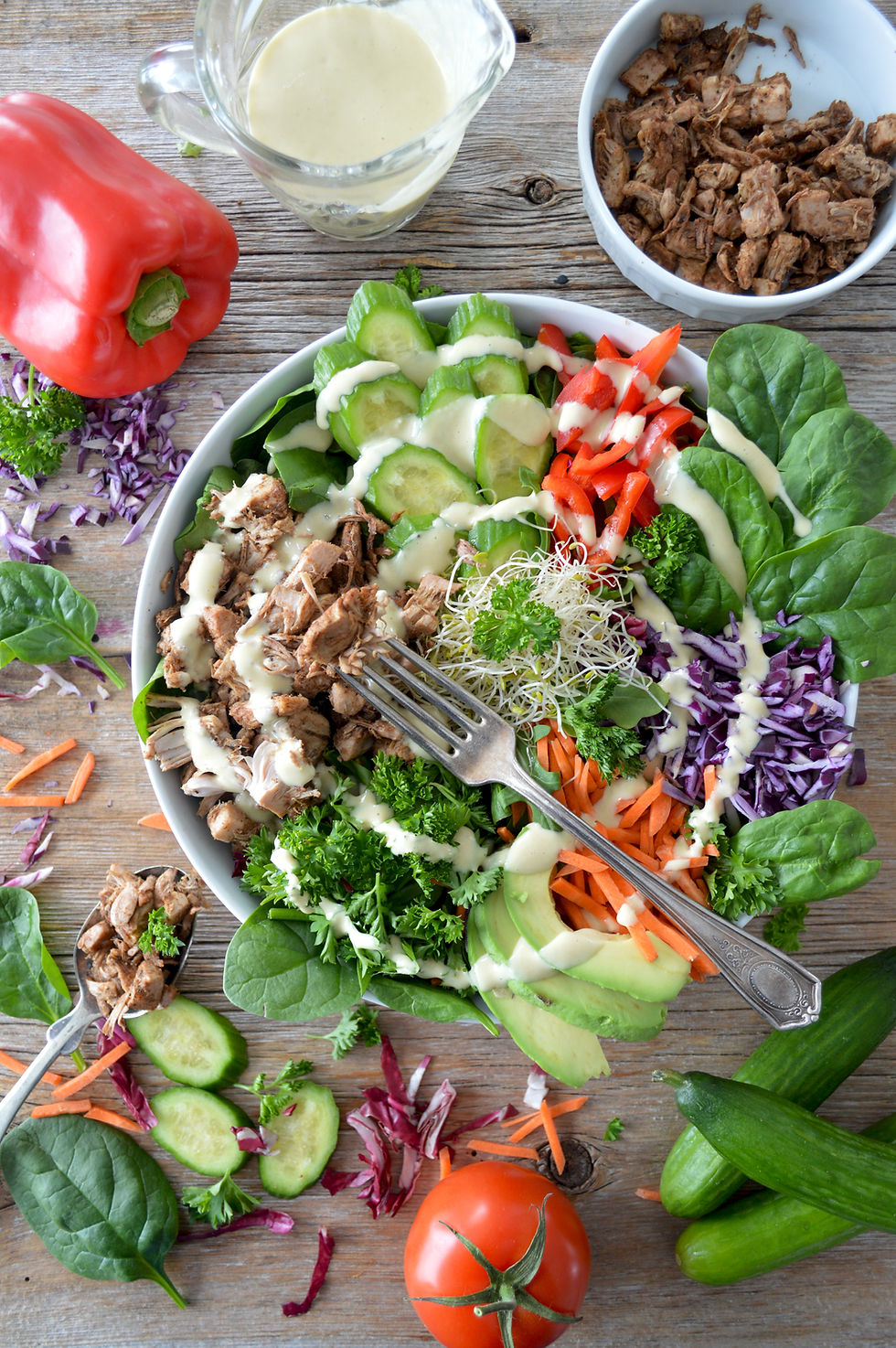
For lipedema specifically, keto can:
lower insulin, which reduces abnormal fat storage
reduce inflammation inside adipose tissue
support lymphatic flow by reducing swelling
improve mitochondrial function
decrease fibrosis over time
increase satiety and reduce cravings
support hormonal balance
Another clinical review from the journal Nutrients highlights the direct anti-inflammatory changes seen with ketosis.
You can view this research in the ketogenic anti-inflammatory effects study.
This biochemical shift is exactly what lipedema patients need.
The Best Foods for Lipedema on Keto
Lipedema responds particularly well to anti-inflammatory, low-carb whole foods.
Keto doesn’t have to be extreme—it simply needs to be clean, anti-inflammatory, and structured.
Top Foods to Include
Salmon, sardines, trout, mackerel
Eggs
Organic chicken and turkey
Grass-fed beef
Avocado
Olive oil and avocado oil
Chia and flax seeds
Almonds and macadamia nuts
Asparagus, broccoli, cauliflower, spinach, arugula
Coconut products
Bone broth
High-fiber greens
Berries in moderation
These foods provide omega-3 fats, antioxidants, vitamins, minerals, and clean proteins—all essential for reducing inflammation and supporting lymphatic function.

Fats to Prioritize
Extra virgin olive oil
Avocado oil
Pasture-raised animal fats
Coconut oil (in moderation)
Ghee or grass-fed butter
Healthy fats support hormone balance and reduce inflammatory signaling.
Foods That Worsen Lipedema Symptoms
Just as important as what to add is what to remove. Certain foods dramatically worsen inflammation, swelling, and hormonal imbalances.
Foods to Avoid
Sugar
Bread, pasta, rice, flour
Seed oils (canola, soybean, corn, safflower, sunflower)
Fried foods
Processed snacks
High-carb desserts
Soda, juice, sweetened drinks
High-carb fruit
Alcohol
Processed meats
These foods drive inflammation and increase water retention—two major triggers for lipedema pain.
Electrolytes Are Essential for Lipedema Keto
Because keto causes the body to release excess water, electrolytes become crucial.
Without them, women experience headaches, swelling, fatigue, and muscle cramping.
For lipedema specifically, sodium and magnesium are especially important because they help regulate:
fluid balance
muscle function
lymphatic flow
blood vessel tone
What to Expect in the First Two Weeks
The first two weeks of lipedema ketogenic diet changes are the most dramatic:
Rapid decrease in water retention
Reduced leg heaviness
Noticeable energy shifts
Mental clarity
Reduced bloating
First signs of inch loss
This is not fat loss alone—much of this improvement is inflammation and water reduction around the lymphatic and adipose tissues.
The Role of the Lymphatic System on Keto
As swelling decreases and inflammation calms, the lymphatic system becomes more efficient.
Many women notice improved lymphatic flow simply by reducing inflammatory foods.
Lower inflammation helps lymphatic vessels contract more efficiently, which improves mobility and comfort.
Can Diet Changes Reverse Lipedema?
Diet alone cannot “cure” lipedema, but it can dramatically reduce symptoms, slow progression, shrink inflammatory swelling, and improve quality of life.
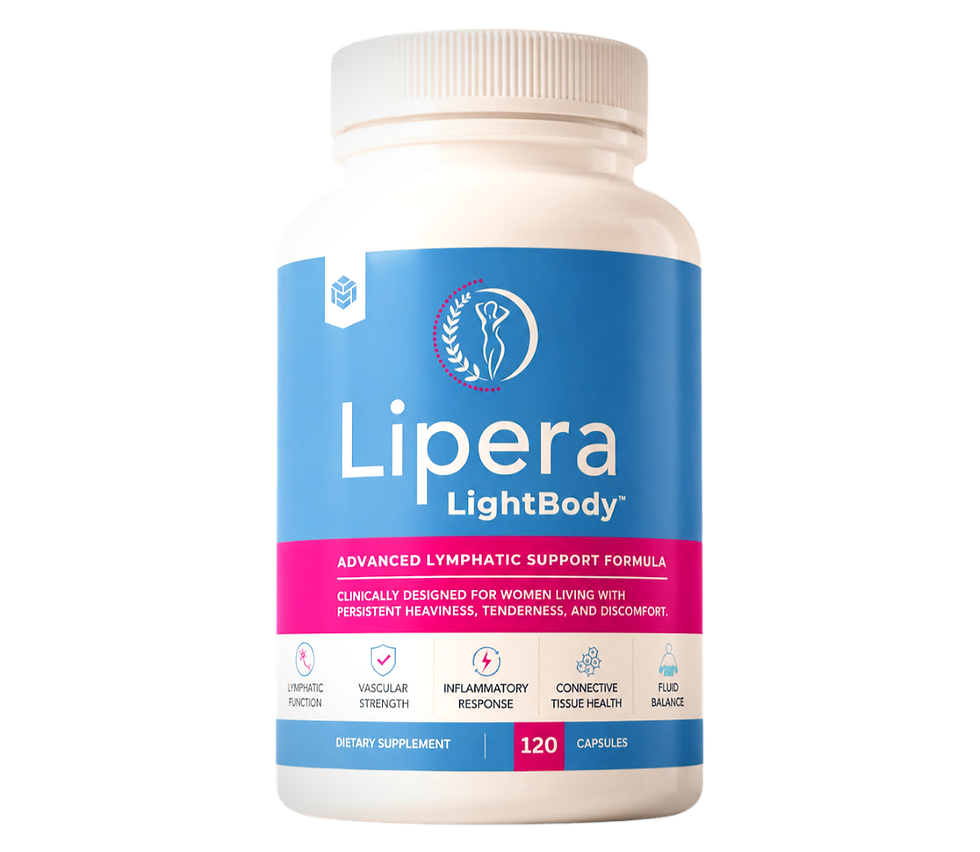
A change of diet along with a supplement like Lipera is where real change becomes noticeable.
Add exercise and daily movement into the mix and you have yourself a highly effective lipedema treatment.
Most women pick one of these three crucial parts and get upset when they don't see results.
It's because the combination is what makes them powerful.
Think of it as a full blown plan of attack.
If you don't have your entire army, the odds are stacked against you.
A supplement will be your most powerful tool, followed by proper diet, followed by exercise.
But don't let the order fool you, they are almost equal in value.
Some women experience substantial improvement—even dramatic transformation—through anti-inflammatory nutrition.
Real-world examples of this are posted in this blog post.
The women who improve the most tend to combine keto with movement, compression, and gentle lymphatic support.
Combining Keto with Other Lipedema Strategies
For best results, combine keto with:
light daily walking
lymphatic massage
hydration + electrolytes
strength training
compression when needed
anti-inflammatory supplementation
low-stress lifestyle habits
Keto is not a standalone cure—it's a foundational metabolic tool that pairs well with physical and lifestyle interventions.
Who Should Not Do Keto?
Although keto is safe for most people, some should approach with caution:
anyone with pancreatic insufficiency
those with gallbladder removal
uncontrolled thyroid disorders
individuals on insulin
pregnant or breastfeeding women
people with disordered eating history
How Keto Diet for Lipedema Helps Long-Term
Over time, ketosis helps stabilize the underlying reasons lipedema symptoms worsen:
Less inflammatory swelling
Better fat metabolism
Reduced water retention
Stronger lymphatic flow
Less pressure on joints
Improved hormonal balance
Many women notice their body feels lighter, more comfortable, and more predictable.
A Realistic Way to Start Keto Lipedema
You don’t have to do a strict version. Start with:
20–40g net carbs a day
Lots of leafy greens
High-quality fats
Moderate protein
Electrolytes daily
Anti-inflammatory whole foods

You should never feel starved or deprived. Keto for lipedema is gentle, steady, and anti-inflammatory—not extreme.
Conclusion on Keto
The keto diet for lipedema is not a fad — it’s a metabolic strategy that directly targets the inflammatory, hormonal, and lymphatic pathways that make lipedema fat so resistant.
By reducing inflammation, stabilizing blood sugar, and improving fat metabolism, keto gives the body the environment it needs to function more comfortably.
For many women, this diet becomes one of the most empowering tools in their lipedema journey.
It’s not a cure.
It’s not a miracle.
But it is a powerful, science-supported way to reduce symptoms and reclaim control.