
Lipedema Breasts: How to Control and Manage It Properly
Breast involvement is one of the most distressing and least discussed aspects of lipedema.
When lipedema begins to affect the breasts, it often signals more advanced disease and broader fat distribution beyond the lower body.
This progression can bring physical discomfort, emotional distress, and confusion about what treatments are truly effective.

Understanding how and why this happens is essential for choosing the right combination of therapies and avoiding false expectations.
Why Lipedema in the Breasts Signals Later-Stage Disease
Lipedema typically begins in the hips, thighs, and legs.
Breast involvement tends to occur later, once abnormal adipose tissue has expanded beyond the lower body and into the trunk and upper extremities.
In lipedema breasts, fat accumulation is often disproportionate, tender, and resistant to weight loss.
Women may notice heaviness, pain, increased sensitivity, or rapid size changes that do not respond to standard lifestyle measures.
Research on fat distribution patterns confirms that lipedema fat can extend into the upper body as disease progresses, particularly in later stages, as outlined in this clinical review.
How Lipedema Breast Development Differs From Normal Breast Tissue
Breast tissue affected by lipedema behaves differently from hormonally driven or weight-related breast changes.
The fat is often painful, nodular, and inflammatory.
Swelling may fluctuate, and bras can become uncomfortable even without size changes elsewhere.
In these cases, lipedema in your breasts are not simply larger—they are symptomatic.
This distinction matters because standard advice for breast discomfort often fails when lipedema is involved.
Patterns of lipedema fat accumulation across the body, including upper-body involvement, are summarized in this educational overview.

Conservative Treatment Is the First Line of Defense
When breast involvement appears, conservative treatment becomes non-negotiable.
The goal is to slow progression, reduce inflammation, and manage pain—not to eliminate fat.
Conservative care typically includes:
Anti-inflammatory nutrition
Compression where tolerated
Vibration and gentle movement
Lymphatic support
Targeted supplementation
Some women choose to include a supplement such as Lipera to support lymphatic flow and inflammatory balance as part of a broader conservative plan.
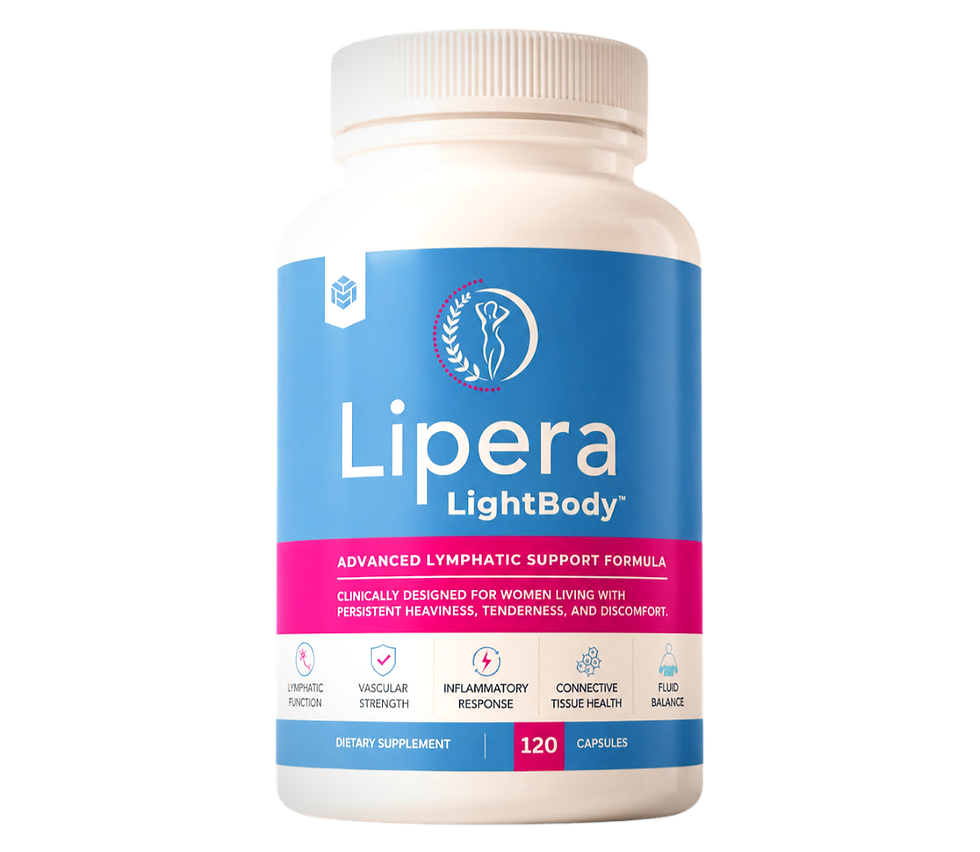
You can learn more at Lipera Health.
These measures help manage symptoms, but they do not remove lipedema fat once it is established.
Why Diet Matters More Than Most Realize
Metabolic control plays a major role in symptom severity.
Diets that reduce insulin spikes and inflammatory signaling can meaningfully improve swelling and pain, even in advanced disease.
Structured dietary strategies tailored specifically for lipedema are outlined in this nutrition guide, which explains why sugar and ultra-processed foods accelerate disease progression more than dietary fat.
For women with breast involvement, diet often determines whether symptoms remain manageable or escalate rapidly.
When Conservative Care Is Not Enough
It’s important to be honest about limitations.
Conservative therapy does not remove fibrotic lipedema fat.
When breast involvement causes significant pain, functional limitation, or emotional distress, additional intervention may be necessary.
This is especially true when upper-body lipedema progresses despite consistent conservative care.
In these cases, surgery becomes part of a comprehensive management plan—not a cosmetic choice.
The Role of Liposuction in Upper-Body Lipedema
For many women with lipedema breasts, liposuction is the only option capable of physically removing diseased adipose tissue.
Lipedema-specific techniques are designed to target fibrotic fat while protecting lymphatic structures.
Surgery does not cure lipedema, but it can:
Reduce pain and heaviness
Improve mobility and comfort
Restore more proportional contours
Make conservative therapies more effective afterward
A detailed breakdown of what lipedema surgery involves—including expectations and recovery—is available in this surgical guide.
Why Surgery Must Be Paired With Long-Term Management
Surgery removes fat, but it does not stop the disease process.
Without ongoing conservative care, lipedema fat can recur—even in the breasts.
This is why post-surgical maintenance is essential and includes:
Compression support
Continued dietary control
Regular movement and vibration
Long-term lymphatic support

The most successful outcomes occur when surgery and conservative therapy are treated as complementary—not competing—approaches.
Living With Breast Involvement Long Term
Managing lipedema breasts requires realistic expectations and a layered approach.
Some women can stabilize symptoms with conservative care alone.
Others require surgical intervention to regain comfort and function.
What matters most is early recognition, consistent management, and avoiding treatments that promise elimination without evidence.
Final Conclusion on Lipedema in the Breasts
Breast involvement represents a more advanced expression of lipedema and should be taken seriously.
While conservative therapies are the first and most important line of defense, they cannot reverse established fibrotic fat.
For many women, especially those with upper-body progression, liposuction becomes a necessary part of treatment.
Long-term success depends on combining surgical intervention with ongoing conservative care to slow progression and protect results.
Managing lipedema is not about choosing one solution—it’s about using the right tools at the right stage of the disease.