
Stage 5 Lipedema: 5 Actionable Steps to Take Back Control and Start Reversing It Today
Being told you have stage 5 lipedema can feel overwhelming.
By the time someone reaches this stage, symptoms often include severe swelling, mobility limitations, chronic inflammation, and significant fat accumulation that doesn’t respond to traditional weight loss approaches.

But here’s something important many people never hear:
Even with lipedema stage 5, it is still possible to regain control of your health and dramatically change the trajectory of the disease.
The key is not relying on a single solution. Instead, real progress usually comes from stacking several strategies together — metabolic support, inflammation reduction, movement, medical therapies, and eventually surgical intervention when appropriate.
Think of it less like a single treatment and more like a five-step system designed to stabilize your body and gradually reclaim your life.
Here are five actionable steps you can start immediately.
Step 1: Start Supporting Your Body With a Targeted Supplement
The first step is what many people consider the “low-hanging fruit.”
A targeted supplement designed for lipedema can begin working immediately in the background while you make other changes.
Why does this matter?
Lipedema is not just excess fat. It involves multiple biological pathways including:
lymphatic congestion
fragile capillaries
chronic inflammatory signaling
abnormal adipose tissue behavior
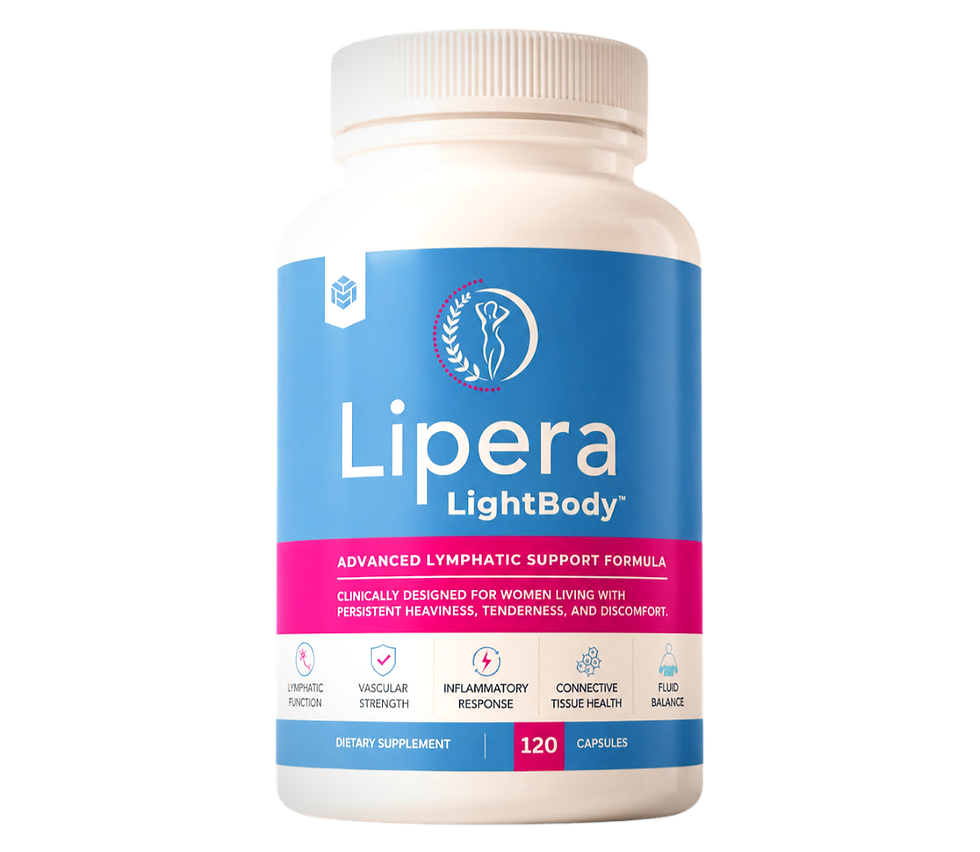
Addressing these pathways helps prepare your body for the other changes that come next.
Many people begin with a comprehensive option designed specifically for lipedema biology, such as Lipera, which focuses on supporting vascular integrity, lymphatic flow, and inflammatory balance.
This step alone will not reverse lipedema stage 5, but it helps create a biological environment where other interventions become more effective.
Think of it as laying the foundation before building the rest of the structure.
Step 2: Completely Change Your Diet
This is where real transformation begins.
At advanced stages of lipedema, diet isn’t just about weight — it’s about inflammation control.
Certain foods amplify the inflammatory processes already present in lipedema tissue.
Removing them can significantly reduce swelling, pain, and metabolic resistance.
Don't worry, carbs are still needed for muscle and brain power - you just need to avoid inflammatory carbs.
The most effective dietary approach usually focuses on eliminating:
ultra-processed foods
added sugars
refined carbohydrates
excessive bread consumption
high inflammatory oils
large amounts of fruit sugar

Red meat is also reduced by many people because it can contribute to inflammatory signaling in some individuals.
Instead, the diet centers on:
lean proteins
vegetables
healthy fats
stable blood sugar patterns
For those starting this transition, this lipedema diet guide explains how metabolic and inflammatory changes influence fat behavior in lipedema.
This step requires discipline, but once the body adapts, cravings drop dramatically and maintaining the diet becomes easier.
Step 3: Move Every Day (Without Triggering Hunger)
Movement is critical — but not the type most people expect.
High-intensity workouts can sometimes worsen lipedema symptoms by increasing inflammation and causing fatigue that leads to overeating.
Instead, one of the most effective strategies is surprisingly simple:
Power walking.

Brisk walking provides several advantages:
stimulates lymphatic flow
improves circulation
supports fat metabolism
reduces swelling
rarely triggers excessive hunger
Consistency matters more than intensity.
Walking daily — even 30 to 45 minutes — can significantly improve lymphatic drainage and metabolic health over time.
For individuals with lipedema stage 5, starting with manageable movement rather than extreme workouts often produces better long-term results.
Step 4: GLP-1 Medications for Strategic Weight Loss

While lifestyle changes are foundational, medical therapies can accelerate progress.
GLP-1 medications such as semaglutide or tirzepatide have become increasingly popular for weight management.
These medications work by regulating appetite and slowing gastric emptying, making it easier to maintain a calorie deficit.
For people with advanced lipedema, this can be helpful because:
overall body fat decreases
metabolic inflammation drops
pressure on affected tissues is reduced
However, GLP-1 medications are not a cure for lipedema.
They do not directly remove lipedema fat deposits.
Instead, they can serve as a tool to help patients reach a healthier baseline before pursuing other treatments.
If you want to understand the limitations and benefits of this approach, this article on GLP-1 medications and lipedema breaks down what these drugs can and cannot do.
Used strategically, they can help accelerate the early stages of transformation.
Step 5: Lipedema Removal Surgery
Once metabolic health has improved and weight has stabilized, surgery becomes a powerful option for many patients.

Lipedema reduction surgery removes diseased adipose tissue that cannot be eliminated through diet or exercise alone.
Modern techniques focus on preserving lymphatic vessels while removing abnormal fat deposits.
Clinical research examining lipedema surgery continues to evaluate long-term outcomes, including studies like this ongoing clinical investigation analyzing surgical treatment for advanced lipedema.
Surgery is not the first step. It works best when patients:
have improved metabolic health
maintain anti-inflammatory habits
follow consistent movement routines
When performed under the right conditions, surgery can dramatically reduce physical limitations and improve quality of life.
Insurance coverage is also becoming more common as awareness of lipedema increases.
Why These Five Steps Work Together
Each step addresses a different part of the lipedema puzzle.
Supplementation supports vascular and lymphatic pathways.
Diet reduces inflammatory triggers.
Movement improves circulation and metabolic function.
GLP-1 medications assist with weight regulation.
Surgery removes pathological fat tissue that cannot respond to metabolic interventions.
Research into lipedema treatment continues to explore the biological mechanisms behind these strategies, including studies investigating adipose tissue behavior and metabolic pathways, such as recent adipose tissue research examining fat tissue changes in lipedema.
When these strategies are combined, the results can be transformative.
What the Journey Looks Like
The process doesn’t happen overnight.
But many people who commit to these steps experience something remarkable within a year:
inflammation drops
mobility improves
swelling decreases
energy returns
confidence grows

The hardest phase is the beginning, when dietary changes and new habits feel unfamiliar.
Once the body adapts, the routine becomes second nature.
And that’s when momentum really builds.
The Most Important Message
Even with stage 5 lipedema, the situation is not hopeless.
Yes, it requires effort.
Yes, it requires discipline.
And yes, it requires patience.
But thousands of people have proven that combining the right strategies can dramatically change the course of this disease.
You don’t have to fix everything at once.
Start with step one.Then step two.
Then build from there.
One year from now, your life could look completely different.