
Yoga for Lipedema: Does It Actually Work? What the Evidence Says
Living with lipedema often means constantly searching for relief that doesn’t feel extreme, painful, or unsustainable.
Many women want something gentle — something that helps with heaviness, swelling, and discomfort without worsening inflammation.

That’s why yoga comes up so often. It feels safe, accessible, and calming.
But the real question is whether yoga actually does anything meaningful for lipedema symptoms, or if it’s just another wellness trend with empty promises.
The answer is more nuanced than most people expect.
Lipedema Yoga: Why People Think It Helps
Lipedema yoga is frequently recommended because yoga improves circulation, reduces stress hormones, and involves slow movement — all factors that may indirectly support lymphatic function.
Unlike high-impact workouts that can trigger pain or bruising, yoga is low-pressure on the joints and connective tissue.
That alone makes it appealing for lipedema patients who feel worse after running, jumping, or aggressive strength training.
Some clinicians also point out that lipedema symptoms often worsen with lymphatic stagnation. Gentle movement, stretching, and breathwork may help encourage fluid return.
A focused discussion of lymphatic-friendly yoga approaches for lipedema patients is outlined in this guide on lymphatic yoga for symptom relief.
So the interest makes sense — but we still need to ask what the evidence actually supports.
Yoga for Lipedema: What the Evidence Really Shows
Yoga for lipedema is not a cure, and it does not remove lipedema fat.
But evidence suggests yoga may play a supportive role because of its impact on lymphatic flow, inflammation, and autonomic regulation.
The lymphatic system does not have its own pump like the heart.
It relies heavily on muscle contraction, diaphragmatic breathing, and movement to circulate fluid. Yoga naturally includes all three.

Research has shown that lymph flow is strongly influenced by mechanical movement and breathing patterns, which is one reason gentle exercise can matter so much in lymphatic-related conditions.
This physiological relationship is discussed in this review on lymphatic function and movement.
Yoga also tends to lower sympathetic stress activation, which may reduce inflammatory signaling over time — a meaningful factor for many chronic swelling disorders.
Yoga Journal also highlights how specific poses may support lymphatic drainage through compression and release patterns, as explained in this overview of yoga for lymphatic drainage.
So no — yoga is not useless. But it must be understood correctly.
The Problem: Yoga Alone Won’t Treat the Root Cause
Here’s the honest truth:
Yoga for lipedema may help symptoms, but it does not address the underlying disease process.
Lipedema is driven by:
abnormal fat deposition
connective tissue dysfunction
microvascular fragility
inflammation
lymphatic overload
Yoga may help fluid movement, but it does not directly change the pathological fat structure or progression risk.
That’s why many women feel discouraged when yoga improves mood but doesn’t dramatically change heaviness or limb size.
It’s supportive — not sufficient.
The Best Approach: Combine Yoga With Internal Support
The most effective strategy is not choosing between yoga or “real treatment.”
The best option is combining yoga with internal support that targets lipedema mechanisms more directly.
A supplement like Lipera is designed specifically for women with lipedema, with ingredients formulated to support:
lymphatic flow
microvascular integrity
inflammatory balance
daily tissue comfort
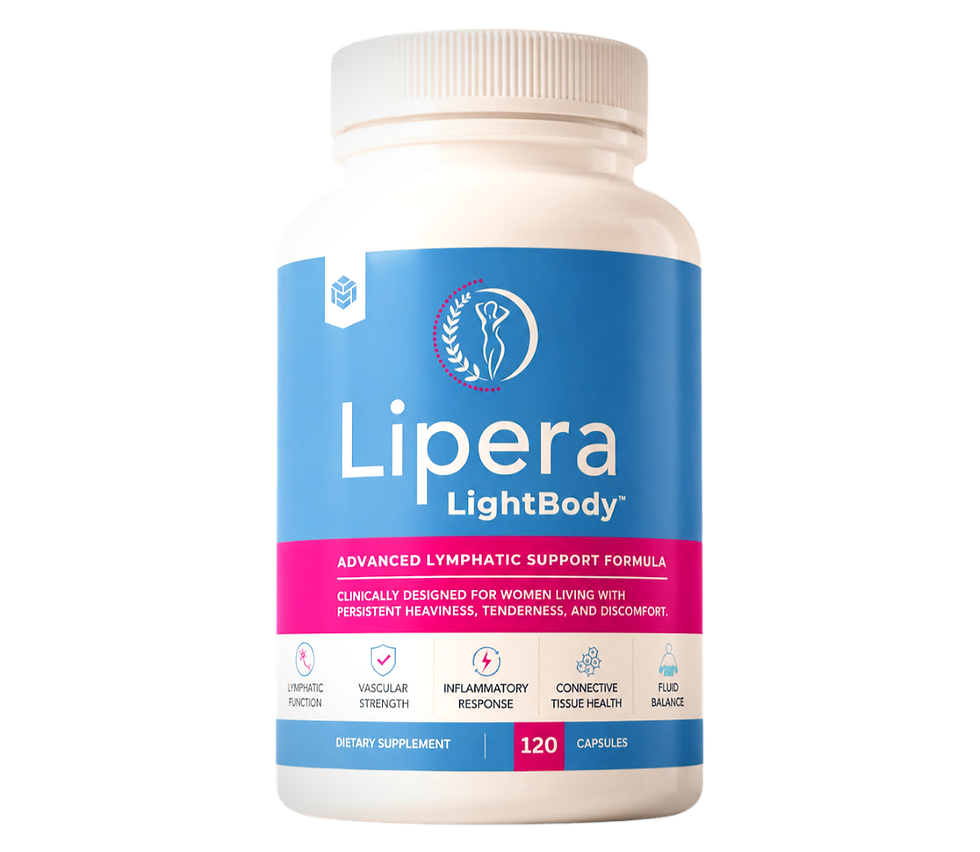
Yoga helps move lymph externally through motion.
Lipera supports the internal environment that influences swelling, heaviness, and inflammation.
That combination is far more powerful than yoga alone.
You can learn more at LiperaHealth.
What Yoga Should Be Used For (Realistic Expectations)
If you want yoga to actually help lipedema, use it for the right reasons:
reducing daily heaviness
improving mobility and joint comfort
supporting lymphatic circulation
calming nervous system flares
maintaining consistency without overtraining
Not for:
“burning off lipedema fat”
rapid circumference reduction
replacing medical or compression care
That mindset shift prevents disappointment.
Lymphatic Drainage vs. Aggressive Tissue Manipulation
Many women also ask whether yoga is similar to lymphatic massage.
The key difference is that yoga encourages natural fluid movement through muscle and breath — without aggressive pressure on nodules.
Some research-backed discussion of lymphatic drainage limitations in lipedema is covered in this article on whether drainage truly helps.
For many women, gentle movement is better tolerated than intense manual techniques.
A full structured approach is outlined in this lymphatic treatment plan.
The Bottom Line
Yoga can absolutely be helpful for lipedema — not because it cures the condition, but because it supports one of the most important systems involved: lymphatic circulation.
The evidence suggests yoga improves fluid movement, reduces stress-driven inflammation, and offers a sustainable form of gentle activity.
But the best results come when yoga is paired with internal support like Lipera, plus foundational care such as compression and inflammation-aware nutrition.
Yoga is a tool — and when used correctly, it can be a meaningful one.