
How to Combat Lipedema Without Surgery: Your 7 Best Non-Invasive Lipedema Treatments
If you’re reading this, you’re probably already exhausted. You’ve tried to do everything “right.” You changed how you eat.

You exercise even when it hurts. You wear compression even when it’s uncomfortable.
And yet, the symptoms persist — swelling, pain, heaviness, tenderness, and frustration that doesn’t seem to lift.
That’s why more women are asking a different question now — not how to manage lipedema, but how to combat lipedema in a way that actually addresses what’s happening inside the body, without jumping straight to surgery.
The good news: there are non-invasive options that work when they’re used strategically.
The key is understanding that lipedema is a lymphatic, inflammatory, and connective-tissue disorder — not a willpower problem.
The 7 Best Non Invasive Lipedema Treatments
Starting with the one that directly targets the root drivers.
1. Lipera – Target the Root Causes First
If you’re serious about learning how to combat lipedema, this is where you start.
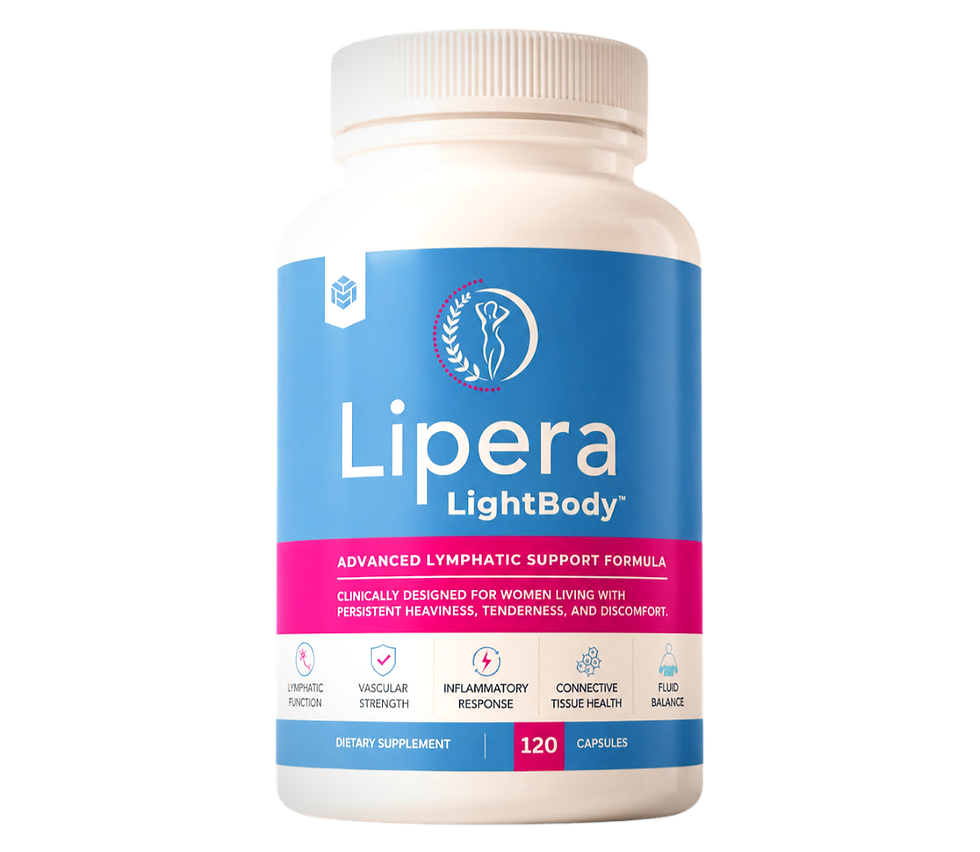
Lipedema is driven by chronic inflammation, impaired lymphatic flow, and abnormal adipose tissue behavior. Most approaches only address one of those — if any at all.
Lipera was formulated specifically to support all three.
Instead of acting like a generic supplement, Lipera is designed for lipedema physiology.
It supports lymphatic movement, helps calm inflammatory signaling, and improves tissue resilience over time.
This is why many women notice reduced tenderness, less heaviness, and improved comfort after consistent use.
Clinical literature increasingly recognizes lipedema as a condition involving lymphatic dysfunction and inflammatory stress, rather than simple fat accumulation, as outlined in this medical review examining the pathophysiology of lipedema.

Lipera isn’t about masking symptoms — it’s about changing the internal environment that allows symptoms to persist.
2. Compression (Used Strategically, Not Obsessively)
Compression is often the first thing recommended — and for good reason. It can help reduce fluid pooling and provide mechanical support for the tissue.
But here’s the truth most people don’t tell you: compression alone does not fix lipedema.
It manages symptoms temporarily, and if overused or poorly fitted, it can even increase discomfort.
Compression works best when it’s supporting lymphatic movement that’s already being addressed internally.

When combined with approaches like Lipera, it often becomes more tolerable and more effective.
Think of compression as a support tool — not a standalone solution.
3. Anti-Inflammatory Nutrition (Without Starving Yourself)
Diet matters, but not in the way most women are told.

Lipedema fat does not respond normally to calorie restriction.
Extreme dieting often worsens inflammation, slows lymphatic movement, and increases stress hormones — all of which aggravate symptoms.
What does help is an anti-inflammatory, blood-sugar-stable approach that reduces inflammatory signaling and supports lymphatic health.
This means prioritizing whole foods, adequate protein, healthy fats, and avoiding ultra-processed triggers.
If you want a practical, sustainable framework, this is explained step-by-step in this lipedema diet guide.
Nutrition should support your body — not punish it.
4. Manual Lymphatic Support and Gentle Movement
Lymphatic fluid moves through motion — but it responds best to gentle, rhythmic activity.
Walking, swimming, rebounding, and slow resistance exercises help stimulate lymph flow without triggering inflammation.
Aggressive high-impact workouts can backfire by increasing tissue stress and swelling.

Manual lymphatic drainage, whether performed professionally or supported through gentle self-care practices, can also help reduce congestion when used consistently.
Research examining lymphatic impairment in lipedema emphasizes that improving lymph flow is essential for symptom management, not optional, as discussed in this clinical review focusing on lymphatic dysfunction in lipedema.
Movement should leave you feeling better — not punished.
5. Cold Exposure to Calm Nerves and Inflammation
Cold therapy is one of the simplest, most overlooked tools.
Brief cold exposure — such as running cool water over the legs for 30–60 seconds — can reduce nerve sensitivity, calm inflammatory signaling, and temporarily decrease swelling. It also interrupts pain and discomfort cycles that tend to worsen at night.
Cold doesn’t cure lipedema, but it can dramatically improve daily comfort when used consistently and correctly.
Used alongside lymphatic support, it becomes far more effective.
6. Nervous System Regulation and Stress Reduction
This one is rarely talked about — but it matters.
Chronic stress worsens inflammation, impairs lymphatic flow, and increases pain sensitivity.
Many women with lipedema are unknowingly stuck in a heightened stress response, especially after years of being dismissed or misdiagnosed.
Simple practices like breathwork, consistent sleep, and intentional rest can help calm the nervous system and reduce symptom flares. This isn’t “woo” — it’s biology.

Emerging research connects chronic inflammatory conditions with dysregulated stress responses, reinforcing the need for nervous system support in this clinical review examining inflammation and stress pathways.
You don’t need to eliminate stress — you need to stop living in it.
7. Education and Long-Term Strategy
The final piece is understanding that lipedema requires a long-term, layered strategy.
No single intervention works alone. The most successful women combine internal support, lymphatic movement, nutrition, and symptom-calming tools into a sustainable routine.
This is why asking how to combat lipedema isn’t about finding a miracle — it’s about building a system that works with your body instead of fighting it.
When you stop cycling through extremes and start using targeted, consistent support, symptoms often become far more manageable.
The Takeaway
Lipedema is not your fault — and it is not a failure of discipline.
It is a medical condition involving lymphatic dysfunction, inflammation, and abnormal tissue behavior. Surgery is one option, but it is not the only path forward.
When you combine internal support like Lipera with strategic compression, anti-inflammatory nutrition, lymphatic movement, and nervous system regulation, real change becomes possible — without cutting into your body.
You don’t need to do everything at once.
You just need to start with the right things — in the right order.