
How to Properly Manage Lipedema and Menopause - What Every Woman Should Know
There is a very specific kind of frustration that happens when your body starts changing and nobody explains why.
Your legs may feel heavier, swelling may feel harder to control, tenderness may become more noticeable, and the routines that used to help suddenly may not feel like enough.

That is why lipedema and menopause deserves a more serious conversation.
Menopause is not just a hot flash chapter.
It is a major hormonal transition that can affect inflammation, fat distribution, sleep, muscle, mood, circulation, and the way your body responds to daily care.
This 10-step guide is designed to help you understand what may be happening and what you can actually do about it.
Step 1: Start With Daily Foundational Support From Lipera
The first step is building a daily routine that supports your body consistently, not randomly.
During menopause, many women feel like their body becomes more reactive.
One week their legs feel manageable, and the next week they feel heavier, tighter, or more uncomfortable for no obvious reason.
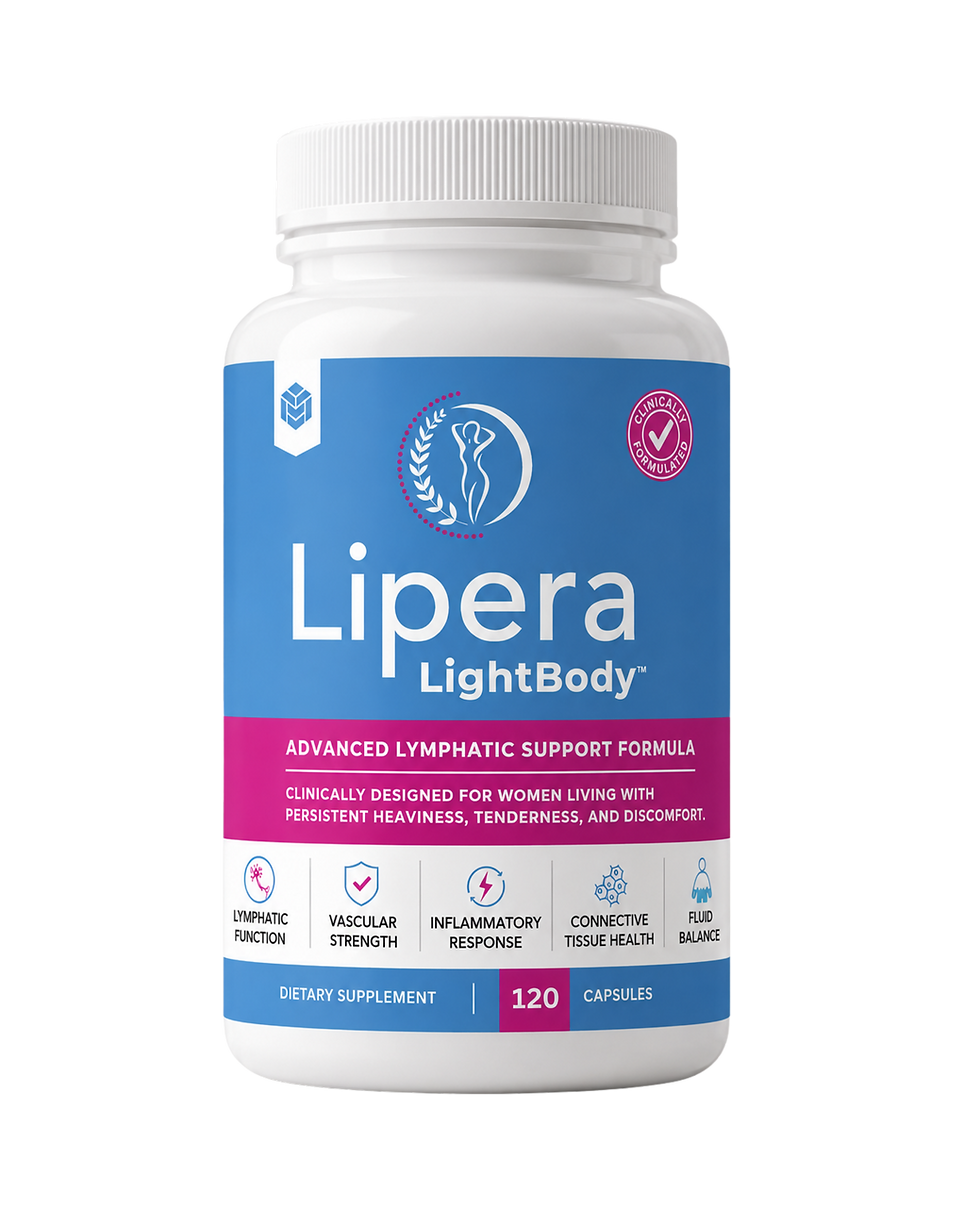
That is where Lipera can fit into the routine early.
Lipera is designed for women who want targeted daily support for heaviness, tenderness, swelling, and circulation-related discomfort.
You can learn more through the Lipera website, especially if you are trying to make your daily routine feel more intentional instead of guessing.
This is not about replacing medical care. It is about giving your body a steady foundation every day while you work on the bigger pieces: movement, compression, hormones, nutrition, sleep, and stress.

Step 2: Understand Why Hormones May Change Symptoms
Hormonal shifts are one of the most commonly discussed triggers in lipedema.
Puberty, pregnancy, perimenopause, and menopause are all major transition points where symptoms may first appear or become more noticeable.
According to this menopause review, researchers have discussed menopause as a possible turning point in lipedema progression because estrogen changes may affect adipose tissue, inflammation, mitochondrial function, and metabolic regulation.
That does not mean every woman will worsen during menopause.
But it does mean your symptoms are not “random” or “all in your head.” There may be a biological reason your body feels different.
Step 3: Track What Actually Changes
When menopause symptoms and leg symptoms overlap, it becomes easy to lose the pattern. That is why tracking matters.
Write down swelling, tenderness, bruising, heaviness, sleep quality, hot flashes, stress, food changes, activity, and cycle changes if you are still in perimenopause. Over a few weeks, you may start seeing connections.
For example, some women notice heavier legs after poor sleep.
Others notice more swelling after heat, alcohol, long sitting, or higher-salt meals.
This kind of tracking helps you stop blaming yourself and start managing patterns.
Step 4: Take Compression Seriously
Compression is one of the most practical tools for daily symptom support.

It may help reduce heaviness, support fluid movement, and make long days feel more manageable.
The key is not just owning compression. It is using the right compression consistently.
Poorly fitted garments can be uncomfortable and easy to abandon.
A lipedema-aware provider or compression fitter can help you choose something that actually works for your body.
This becomes especially important when discussing menopause and lipedema because changes in fluid balance, inflammation, and activity level may make symptoms feel less predictable.
Step 5: Use Movement as Drainage, Not Punishment
Exercise should not feel like punishment for having a body that changed.
With lipedema, the goal is not to “burn off” lipedema fat.
The goal is to support mobility, circulation, lymphatic flow, strength, and confidence.
Low-impact movement is often a good place to start.
Walking, swimming, cycling, gentle strength training, Pilates, and water exercise can all be useful depending on your pain level and mobility.
As explained in these lipedema education notes, lipedema is different from obesity, may involve pain and heaviness, and often requires a broader management plan rather than simple weight-loss advice.

Step 6: Protect Muscle During Midlife
One of the biggest mistakes women make during menopause is focusing only on fat. Muscle matters enormously.
During midlife, many women lose muscle more easily, especially if sleep is poor, protein is low, stress is high, or activity drops.
Less muscle can make the legs feel weaker, reduce stability, and make daily movement harder.
Strength training does not need to be extreme. Even two or three short sessions a week can help support function.
Think controlled, joint-friendly movements: glute bridges, seated leg work, light resistance bands, supported squats, upper-body pulling, and core stability.
The goal is not perfection. The goal is keeping your body capable.
Step 7: Reduce Inflammation Through Food Without Going Extreme
Nutrition can be emotional for women with lipedema because many have spent years being told to “just lose weight.”
That advice can feel cruel when the affected tissue does not respond like ordinary fat.
A better approach is inflammation-aware eating.
Focus on protein, fiber, hydration, colorful plants, healthy fats, and steady blood sugar.
Limit the foods that clearly worsen your symptoms, but do not turn eating into a punishment system.

If you are dealing with perimenopause and lipedema, this matters even more because blood sugar, cravings, sleep, and inflammation can all become more sensitive during hormonal transitions.
Step 8: Pay Attention to Pain, Mood, and Brain Fog
Lipedema does not only affect the legs.
It can affect energy, confidence, mood, and the way a woman feels inside her own body.
Some women describe brain fog, emotional exhaustion, shame, or anxiety after years of being dismissed.
Lipera has also covered this deeper connection in how lipedema affects mood, which is important because physical symptoms and emotional strain often feed into each other.
This is why managing lipedema and menopause should include mental health support, not just compression and movement.
Therapy, support groups, better sleep, and validation from educated providers can make the journey feel less isolating.
Step 9: Do Not Ignore “Silent” or Atypical Symptoms
Not every woman with lipedema has dramatic pain.
Some women notice heaviness, shape changes, bruising, swelling, or tenderness only when pressure is applied.
Others do not realize what they are experiencing until symptoms progress.
That is why education matters. Lipera explains this clearly in lipedema without obvious pain, especially for women who suspect something is wrong but do not match the most painful version of the condition.
If symptoms are changing during midlife, do not wait until they become severe to take them seriously.
Step 10: Build a Care Team That Understands the Whole Picture
A good care plan may include a primary doctor, menopause-informed provider, lipedema specialist, vascular specialist, physical therapist, compression fitter, mental health professional, or nutrition expert.
According to this clinical review, lipedema care often requires attention to diagnosis, symptoms, conservative management, and quality of life rather than a single one-size-fits-all answer.
The best providers will not dismiss your symptoms as aging, weight gain, or vanity.
They will look at the full picture: hormones, tissue changes, pain, swelling, mobility, sleep, and emotional health.
Final Thoughts on Perimenopause and Menopause in Relation to Lipedema
Lipedema and perimenopause can feel confusing because so many changes happen at once. But confusing does not mean hopeless.
The most important thing is to stop waiting for your body to “go back to normal” and start building a routine that supports the body you have now.
With the right daily support, compression, movement, nutrition, tracking, and medical guidance, you can feel more in control and less blindsided by every change.
Your body is not betraying you. It is asking for a more thoughtful plan.