
Is Lipedema an Autoimmune Disease: The Overlap Between POTS, Hashimoto's, MCAS & Others
Lipedema is one of the most misunderstood chronic conditions affecting women today. It is often dismissed as simple weight gain, misdiagnosed as lymphedema, or overlooked entirely until symptoms become severe.

At the same time, many women with lipedema notice something else: they often have other complex health conditions alongside it — fatigue, thyroid disorders, autonomic dysfunction, inflammatory flares, and immune-related diagnoses.
That leads to one of the most common and important questions patients ask:
Is lipedema an autoimmune disease?
The answer is not completely settled, but the overlap between lipedema and immune dysregulation is significant enough that it deserves serious attention — especially because many physicians still treat lipedema as purely cosmetic or mechanical.
This article breaks down what research shows, why comorbidities are so common, and what the autoimmune connection may actually mean for patients.
Is Lipedema an Autoimmune Disease?
This question does not have a simple yes-or-no answer yet, but it is becoming a major focus of modern research. Autoimmune diseases occur when the immune system mistakenly attacks healthy tissues.
Lipedema is not currently classified as a classic autoimmune disorder in the way lupus or rheumatoid arthritis is. However, lipedema does involve:
Chronic inflammation in affected fat tissue
Immune cell infiltration
Microvascular dysfunction
Connective tissue remodeling
These features overlap with immune-mediated conditions, which is why researchers are increasingly investigating whether immune dysregulation plays a role in lipedema progression.
A recent scientific review highlights emerging evidence that inflammatory and immune pathways may contribute to lipedema’s underlying biology, not just its symptoms. You can explore this research directly in recent findings.
The most accurate current understanding is that lipedema is not formally autoimmune — but immune system involvement may be part of why it behaves like a systemic inflammatory disorder rather than simple fat accumulation.
Lipedema and POTS
The relationship between lipedema and POTS is increasingly recognized in patient communities and specialist clinics. POTS, or Postural Orthostatic Tachycardia Syndrome, is a form of autonomic nervous system dysfunction.

It can cause:
Dizziness upon standing
Rapid heart rate
Blood pooling in the legs
Fatigue and weakness
Many women with lipedema report symptoms consistent with autonomic dysfunction, especially heaviness, swelling, and circulation problems that worsen throughout the day.
One reason these conditions may overlap is vascular regulation. Lipedema involves impaired microcirculation and fragile capillaries, while POTS involves abnormal blood flow control. When both are present, patients may experience more severe lower-extremity congestion, making symptom management more complex.
Understanding comorbid patterns like this is part of why comprehensive guides matter, and frameworks for building medically grounded patient education are discussed in this overview.
The key takeaway is that lipedema may not exist in isolation — for many women, it sits within a broader nervous system and vascular dysfunction picture.
Lipedema and Hashimoto’s
The overlap between lipedema and Hashimoto’s thyroiditis is one of the most commonly reported associations. Hashimoto’s is an autoimmune thyroid disease where immune attack gradually reduces thyroid function. Hypothyroidism can lead to:
Weight changes
Fluid retention
Fatigue
Cold intolerance
Slowed metabolism

Women with lipedema are disproportionately diagnosed with thyroid disorders, and some specialists suspect shared hormonal-immune pathways may contribute to both.
It is important to clarify: Hashimoto’s does not cause lipedema. But thyroid dysfunction can worsen swelling, energy levels, and inflammatory load — all of which may amplify lipedema symptoms. For patients managing both conditions, addressing thyroid health can be a meaningful part of reducing systemic burden, even though it does not eliminate lipedema fat itself.
This is one of the strongest examples of why lipedema is increasingly viewed as a multi-system condition rather than a localized fat disorder.
Lipedema and Kidney Disease
The connection between kidney disease and lipedema is less commonly discussed, but it matters because kidney function is deeply tied to fluid regulation. Kidney disease can contribute to:
Leg swelling
Fluid imbalance
Circulatory strain
Increased inflammation
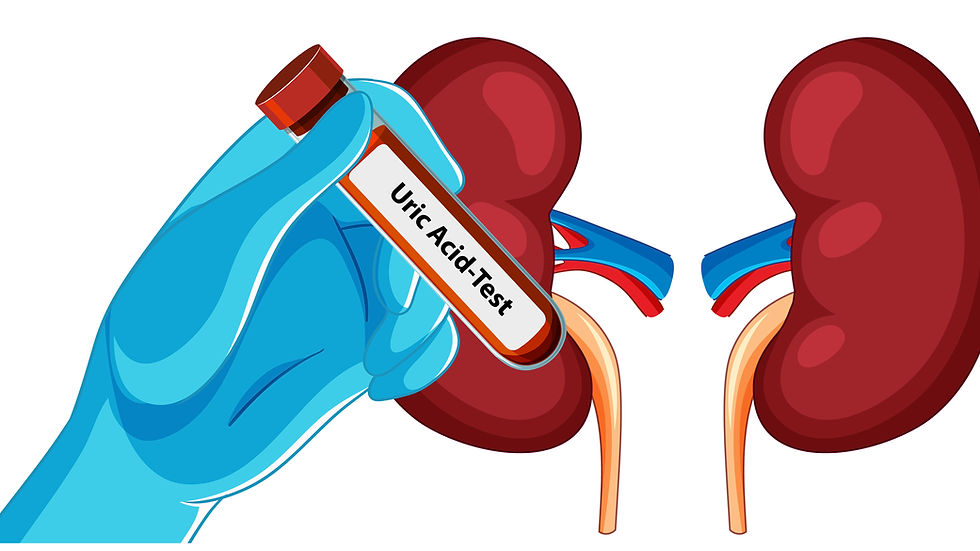
While lipedema itself is not a kidney disorder, patients with lipedema may experience swelling that prompts evaluation for renal causes — and in some cases, kidney dysfunction may coexist.
It is crucial that clinicians do not assume all leg swelling is “just lipedema,” especially when swelling is sudden, asymmetric, or associated with systemic symptoms. A helpful clinical discussion of how kidney disease contributes to swollen legs is outlined in this resource.
For patients, the key is proper medical evaluation. Lipedema swelling is typically chronic and symmetrical, while kidney-related edema may have different patterns and associated lab abnormalities.
Lipedema and Mast Cells
The association between lipedema and mast cells is one of the most biologically interesting emerging areas. Mast cells are immune cells involved in allergic reactions, inflammation, and tissue remodeling. When mast cells are overactive, they release histamine and other inflammatory mediators that can cause:
Pain sensitivity
Swelling
Flushing
Tissue irritation
Some researchers propose that mast cell activation may contribute to the inflammatory environment seen in lipedema fat tissue. This could help explain why lipedema is often painful, why bruising is common, and why symptoms flare with heat, stress, or hormonal shifts.
While this area is still developing, mast cell involvement reinforces the idea that lipedema is not simply “fat,” but an immunologically active tissue disorder. Understanding these immune contributors may shape future treatments focused on inflammation control rather than purely mechanical management.
Lipedema and MCAS
Closely related is the growing discussion of lipedema and MCAS, or Mast Cell Activation Syndrome. MCAS is a condition where mast cells release inflammatory chemicals inappropriately, leading to multi-system symptoms such as:
Food sensitivities
Hives or flushing
Brain fog
Swelling
Chronic inflammation

Some women with lipedema report MCAS-like symptoms, and specialist communities are increasingly exploring the overlap. This does not mean lipedema is caused by MCAS, but both may reflect broader immune dysregulation.
For patients, the most important point is validation: if you experience systemic inflammatory symptoms alongside lipedema, it may warrant evaluation beyond compression and diet alone. A related discussion of emerging medical interventions and systemic approaches is explored in this internal review.
The future of lipedema care may involve more immune-aware frameworks, especially for complex patients.
Lipedema and Blood Clots
Finally, the topic of lipedema and blood clots is critical because it involves real medical risk. Lipedema itself does not automatically increase clot risk in all patients. However, advanced lipedema can involve:
Reduced mobility
Venous insufficiency
Increased leg swelling
Compression of vascular structures

These factors can overlap with conditions like DVT (deep vein thrombosis), which is a serious and potentially life-threatening clotting disorder. It is essential that clinicians distinguish between lipedema swelling and acute clot symptoms, such as:
Sudden one-sided swelling
Warmth and redness
Severe calf pain
A detailed comparison of lipedema and DVT is provided in this vein clinic guide. Patients with lipedema should be aware of clot symptoms, especially if other risk factors are present, but should not live in fear — proper evaluation is the key.
For further context on medical therapies sometimes discussed in chronic inflammatory conditions, see this internal overview.
The Bigger Picture: Why the Overlap Matters
So, is lipedema an autoimmune disease? Not officially — not yet. But the overlap with autoimmune disorders, mast cell conditions, autonomic dysfunction, and inflammatory comorbidities is too consistent to ignore.
Lipedema is increasingly being understood as a systemic disorder involving:
Immune signaling
Vascular dysfunction
Hormonal sensitivity
Inflammatory fat tissue biology
For patients, this means one powerful thing: You are not imagining the complexity. If your lipedema feels connected to broader health issues, you are likely seeing a real biological overlap that medicine is only beginning to fully recognize.
And as research evolves, so will treatment approaches — moving beyond dismissal toward real answers.
---wix---