
Lipedema and Antihistamine: Is it Harmful or Helpful?
A lot of women with lipedema notice that their symptoms get worse during long walking days, hot weather, travel, or physical overexertion.
That can make antihistamines feel tempting, especially when swelling, tenderness,
itching, or flare-like discomfort seems to appear out of nowhere.

Lipedema and Antihistamine: Why Women Ask About It
The connection between lipedema and antihistamine use usually starts with one idea: inflammation.
Lipedema is not just “fat that will not go away.” It involves abnormal adipose tissue, connective tissue changes, vascular dysfunction, lymphatic stress, pain, and inflammatory activity.
Some research has explored the role of mast cells and inflammatory signaling in lipedema tissue, which is one reason histamine gets discussed.
Mast cells can release histamine and other inflammatory mediators, and this may help explain why some women feel worse during flares, heat exposure, or long periods of standing.
A scientific review discussing mast cell involvement helps explain why histamine-related pathways may matter in lipedema, but it does not prove that antihistamines treat the disease itself.
That distinction matters.
When an Antihistamine Might Help Short Term
There may be situations where an antihistamine feels useful for a short period of time.
For example, if you are going on a short vacation to Disney, walking all day, standing in lines, dealing with heat, and noticing flare-like symptoms, an antihistamine may help manage histamine-related discomfort for some women.

That does not mean it is fixing lipedema.
It simply means it may temporarily reduce one part of the inflammatory response in certain situations.
For short-term use during travel, high-activity days, allergy exposure, or occasional flare-ups, some women may find it helpful when approved by their doctor.
But using it occasionally for symptom relief is very different from relying on it as a daily long-term lipedema strategy.
Why Antihistamines Are Not a Long-Term Lipedema Solution
The biggest problem is that antihistamines only target histamine signaling. Lipedema is much bigger than histamine.
This condition involves abnormal fat biology, impaired microcirculation, capillary fragility, connective tissue remodeling, lymphatic overload, inflammation, hormonal influences, and genetic susceptibility.
That means even if an antihistamine helps you feel slightly better during a flare, it has no meaningful power over the deeper drivers of the disease.
A broader paper on lipedema disease mechanisms describes lipedema as a complex condition involving much more than one inflammatory pathway.
This is why long-term management usually requires a multi-system approach instead of one medication aimed at one signal.
The Concern With Daily Antihistamine Use
Not all antihistamines are the same.
Newer second-generation antihistamines are generally considered safer and less sedating than older options.
But older first-generation antihistamines, such as diphenhydramine, have stronger anticholinergic effects.
That matters because long-term exposure to strong anticholinergic medications has been associated with increased dementia risk in older adults.
A major JAMA Internal Medicine study found that higher cumulative use of strong anticholinergic medications was associated with a greater risk of dementia.
This does not mean every antihistamine is dangerous or that occasional use is a problem.
It means using certain antihistamines every day for months or years should not be treated casually, especially without medical guidance.
Antihistamines and Weight Gain Concerns
Another issue is weight.

Some research has found an association between prescription H1 antihistamine use and higher body weight, waist circumference, insulin levels, and obesity rates.
A peer-reviewed antihistamine weight study found that adults using prescription H1 antihistamines had higher odds of obesity compared with non-users.
This does not prove antihistamines directly cause weight gain.
But for women with lipedema, anything potentially linked to appetite, metabolism, sedation, lower activity, or weight gain deserves caution.
Lipedema is already a condition where excess weight can make symptoms worse.
Adding a daily medication that may work against weight management is not ideal unless there is a clear medical reason.
Why Lipera Makes More Sense for Daily Support
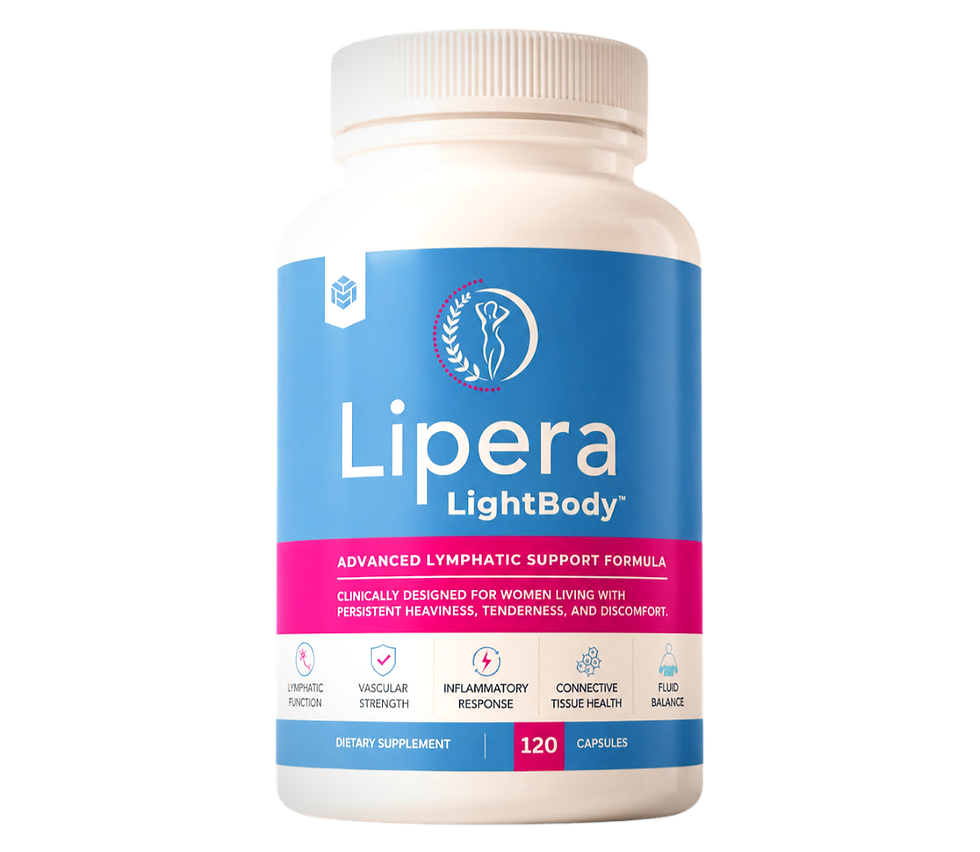
This is where the conversation changes.
An antihistamine may be useful for temporary symptom relief, but it is not designed to support the deeper biological systems involved in lipedema.
Lipera was created as a daily supplement for women living with lipedema who want long-term conservative support for swelling, heaviness, tenderness, inflammation, circulation, and lymphatic stress.
Instead of targeting only histamine, Lipera combines ingredients selected to support multiple pathways involved in lipedema care, including diosmin, hesperidin, rutin, butcher’s broom, curcumin, quercetin, bromelain, resveratrol, CoQ10, magnesium, selenium, vitamin C, and lymphatic-supporting botanicals.
You can learn more about the formula at the official Lipera website.
That does not mean Lipera is a cure.
It means it is built for daily conservative support in a way that makes more sense than relying on antihistamines as your main long-term strategy.
Lipedema Is Not Just an Allergy Problem
The mistake is thinking that if histamine is involved, antihistamines must be the answer.
That is too simple.
Lipedema is not an allergy. It is not just a histamine disorder. It is not something you can fully manage by blocking one chemical signal.
That is why the relationship between lipedema and antihistamine use should be viewed carefully. An antihistamine may help a flare for some women, but it does not address the bigger picture.
Our article on lipedema autoimmune overlap explains why immune and inflammatory activity may be involved without reducing the condition to one simple cause.
The smarter approach is to support the body from multiple angles.
Diet Still Matters Too
Nutrition also matters because lipedema symptoms can worsen when inflammation, blood sugar swings, water retention, and weight gain are not well controlled.
Some women do well with a lower-carbohydrate or anti-inflammatory eating pattern because it helps them reduce swelling and feel more stable throughout the day.

A full breakdown of keto for lipedema explains why diet can be useful for symptom management even though it does not remove lipedema tissue.
This is another reason antihistamines should not be treated as the center of a long-term plan.
They do not replace nutrition, movement, compression when appropriate, lymphatic care, or daily targeted support.
So Is It Harmful or Helpful?
The honest answer is: it depends how you use it.
For occasional short-term situations, an antihistamine may be helpful for some women dealing with flare-like symptoms, allergies, heat exposure, or long walking days.
But as a long-term daily strategy, lipedema and antihistamine use becomes less convincing.
The evidence does not show that antihistamines correct the underlying drivers of lipedema. And depending on the type used, long-term use may raise concerns related to sedation, anticholinergic burden, weight gain associations, and masking symptoms instead of supporting the body more comprehensively.
Women deserve better than a one-signal approach to a multi-system disease.
For daily conservative care, the better strategy is usually to focus on the systems that lipedema actually affects: circulation, lymphatic flow, inflammation, oxidative stress, connective tissue support, weight stability, and long-term consistency.
An antihistamine may help you get through a rough weekend.
But it should not be mistaken for a complete lipedema plan.