
Lipedema Itching – How to Get Relief from Chronic Itching with Lipedema
You’ve already tried the “responsible” stuff.
Compression.
Diet changes.
Exercise.
And if you’re reading this, you’re probably thinking: why is the itching still here?
That’s what makes this symptom so infuriating — it doesn’t respond the way normal skin itching does.

So let’s answer the question you’ve likely Googled more than once.
Does Lipedema Cause Itching?
100% yes it does.
For a lot of women, the answer becomes obvious through experience.
The itch isn’t just dryness.
It’s not “in your head.”
It’s a real signal coming from what lipedema does to tissue, fluid flow, and nerves.
Once you understand the mechanism, you can finally stop chasing random fixes and start using targeted strategies that actually calm it down.
A 4-Step Plan to Stop the Itching Now
This is not “try harder.” It’s “try targeted.”
Step 1: Take Lipera to Address the Root Drivers
If the itch is being driven by lymph stagnation + inflammation + nerve irritation, the best long-term relief comes from supporting those systems together.
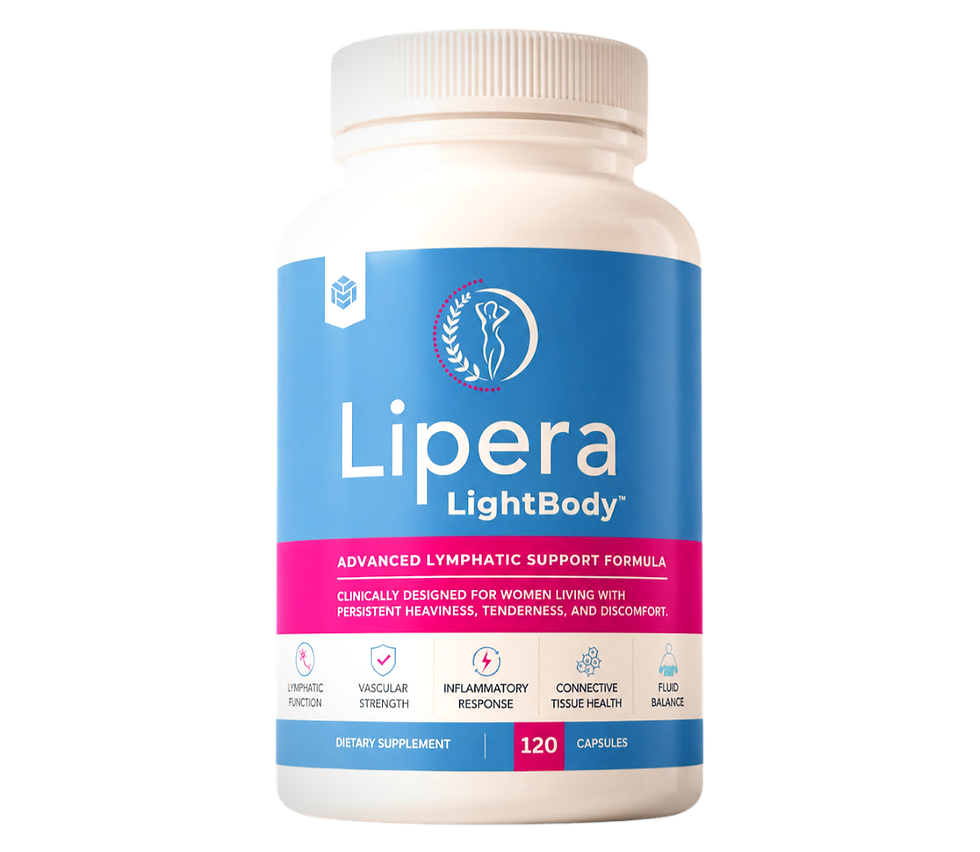
That’s why a targeted supplement like Lipera can matter.
It’s formulated specifically around lipedema physiology — designed to support lymphatic flow and inflammatory balance so the tissue environment becomes less reactive over time.
If you want the deeper breakdown of why this approach is different than generic supplements, read this well written article.
This step is the “foundation” because when the internal congestion decreases, the itching often stops showing up so aggressively.
Step 2: Cold Shower for 30 Seconds
This is the fastest “in the moment” tool.
Run cold water over your legs for about 30 seconds.
Cold exposure causes a quick narrowing of surface blood vessels and temporarily reduces nerve signaling.
In plain English: it turns the volume down.

It also interrupts the itch-scratch loop before it spirals.
That’s why it’s especially useful right when a flare begins, or before bed if itching tends to spike at night.
Cold doesn’t fix lipedema — but it can absolutely blunt the symptom so you can regain control.
Step 3: Dry Brushing to Move Lymph and Satisfy the Urge
This is the sweet spot because it does two things at once:
It gives your skin sensory input that can “scratch the itch” without damaging the skin.
It mechanically encourages lymph movement toward drainage pathways when done correctly.

This matters a lot for women dealing with lipedema itchy legs, because scratching can lead to bruising, broken skin, and even more inflammation — which then makes the itching worse.
If you want a practical, detailed overview of what actually helps the legs, including why lymph movement matters, see this complete medical review about leg drainage.
How to do it simply: use light pressure, brush upward toward the heart, stop before the skin turns pink/red, and be consistent rather than aggressive.
Step 4: Resist the Scratch and Redirect Immediately
This is the “mental” step, but it’s not motivational fluff — it’s neurobiology.
Every time you scratch, you reinforce the circuit.
Your nervous system learns: itch = scratch = relief. But the relief is short, and the after-effect is more irritation.
So when the urge hits, you need an immediate replacement action.
Stand up and walk. Cold water.
Dry brush.
Put on a podcast and do something with your hands. Anything that breaks the loop in the first 10–20 seconds.
The more consistently you interrupt the pattern, the less your nervous system escalates it.
So Does Lipedema Cause Itching?
Yes — and it can be surprisingly persistent.
Lipedema involves abnormal fat tissue and changes in the microenvironment of the legs and arms, including impaired lymphatic movement and chronic low-grade inflammation.
When fluid becomes sluggish and inflammatory byproducts build up, the surrounding nerves can become irritated.
That nerve irritation often feels like itching, crawling, prickling, or a deep urge to scratch that doesn’t fully resolve even after you do.
This is why “normal itch solutions” often fail. Lotion might help the surface, but it won’t address congestion or inflammation inside the tissue.
Lipedema is also commonly misunderstood or misdiagnosed, which is one reason itching gets dismissed.
A good high-level overview of the underlying disorder and how it presents clinically is in this study about lipedema fat disorder.
Why the Itch Can Feel So Intense
A big reason this symptom feels relentless is the itch-scratch loop.
The more you scratch, the more local inflammation you trigger — and the more your nerves “learn” to fire that same signal again.
That’s why so many women report lipedema itching being worse at night, after long periods of sitting, or when hormones shift.
It’s not just the skin.
It’s the combination of fluid pressure, inflammatory signaling, and heightened nerve sensitivity.
There’s also a lymphatic piece that doesn’t get enough attention.
When lymph transport is impaired, inflammatory signals can linger longer in tissue, and sensory symptoms can be amplified.
Research connecting lymphatic transport issues with chronic inflammatory conditions helps illustrate the concept; a relevant discussion is in this study about lymphatic inflammatory dysfunction.
Why Compression, Diet, and Exercise Didn’t Fix Itching
This is the part that messes with your head, because you did what you were told.
Compression can help mechanically manage swelling.

Diet can reduce overall inflammatory load.
Exercise can support circulation.
But none of those automatically resolves lymph stagnation inside lipedema tissue, and none guarantees the inflammatory signaling calms down enough to stop nerve irritation.
So if you’re still asking, does lipedema itch even when you’re doing “all the right things,” the answer is: it can — because the root driver hasn’t been targeted directly.
That’s what the next section is for.
Why This Works When Other Things Didn’t
This approach isn’t random.
It’s built around how lipedema symptoms actually behave:
Lipera supports the internal drivers (lymph + inflammation).
Cold water interrupts nerve signaling fast.
Dry brushing gives safe sensory relief while encouraging movement.
Resistance + redirection stops the reinforcing cycle.
And that’s why women who felt stuck often finally feel like they can manage the symptom instead of being controlled by it.
You’re not weak for being bothered by this.
Chronic itching is uniquely draining — it steals focus, sleep, and patience.
But it’s also a symptom that can improve dramatically when the tissue environment is supported correctly and the itch loop is broken consistently.
If you want the “simple next move,” it’s this: start with Lipera as the daily foundation, then use cold + brushing as your emergency tools, and treat scratching like pouring gasoline on a fire.
When the itch hits, you’re not powerless — you’re trained.